Program Overview
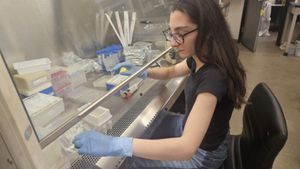
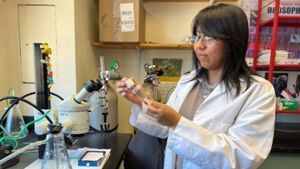
Each new MARC scholar is matched with a research mentor in their chosen field. All scholars will participate in the Summer Orientation/Workshop Series. The participants attend full-time (Monday – Friday) from June to August. During this period, the scholars’ orientation will provide guidance for the initiation of lab work and instruction in the responsible conduct of the research. It will also include a variety of seminars related to skills for academic and professional success and tips for an effective research experience.
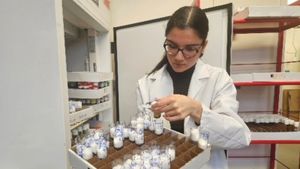
MARC scholars will conduct research in the lab of their MARC Hunter College faculty mentor. For the first summer, new MARC scholars will split their full days during the week participating in orientation seminars as well as working in their respective research lab. During the academic year, the scholars will devote 15 – 20 hours per week to research in their mentor’s lab. The research skills gained will help the scholar prepare applications for external summer research programs. After the conclusion of the external summer research, the MARC scholars will return to their Hunter College mentor's research lab for the new academic year. A MARC scholar’s work can lead to the contribution of important data for a research project, which may result in earning co-authorship on scientific publications.
MARC scholars are expected to actively participate in professional development opportunities in their field. These will include attendance at research seminars and participation in local and national research conferences. Scholars are also expected to attend our series of MARC professional development sessions held at Hunter College.
These sessions cover a range of topics including:
- The structure of scientific research projects
- Conducting research with rigor and reproducibility
- Scientific research presentations on projects in multiple fields
- Summer research programs and PhD program offerings
- Experiences on the research path at multiple levels
- Future career opportunities in science
Skills Development (including):
- Formal and informal scientific communication through discussions, scientific/abstract writing, poster and oral research presentations
- Cognizance of the origin and evolution of one’s own scientific interests and their relation to current active fields of scientific research
- Time management and stress management skills
- Cultivation of resilience and perseverance through challenges
- Preparation for graduate-school application: selecting graduate programs, personal statement, networking, and interviewing skills
These national scientific conferences offer the MARC scholars an opportunity to present their research, hear the latest biomedical research findings by prominent scientists, interact with students from across the country, and network with graduate recruiters. Selected MARC students each year will get to attend one of these conferences sponsored by the MARC program.