In the South Bronx, Hunter geology and urban policy students will partner with community groups to monitor indoor air quality and promote urban greening for heat and flood mitigation.
In East Harlem, Hunter nutrition and public health students and residents will collaborate on wellness pop-ups bringing free, culturally responsive health screenings and nutrition-education events to the neighborhood.
In West Harlem, Hunter social work students will work with an organization to better the well-being of children by strengthening relations among parents and foster-care givers.
Across the city, Hunter education students, faculty, and staff are partnering with public schools in a Youth Educator Program to help diverse high school students explore teaching through early college courses, mentorship, and certification support.
These are among the 47 faculty-led projects that Hunter College will seed with up to $5,000 each during the spring and fall semesters of 2026 addressing community challenges and opportunities in healthcare, education, workforce development, climate change, economic injustice, mental health, and more.
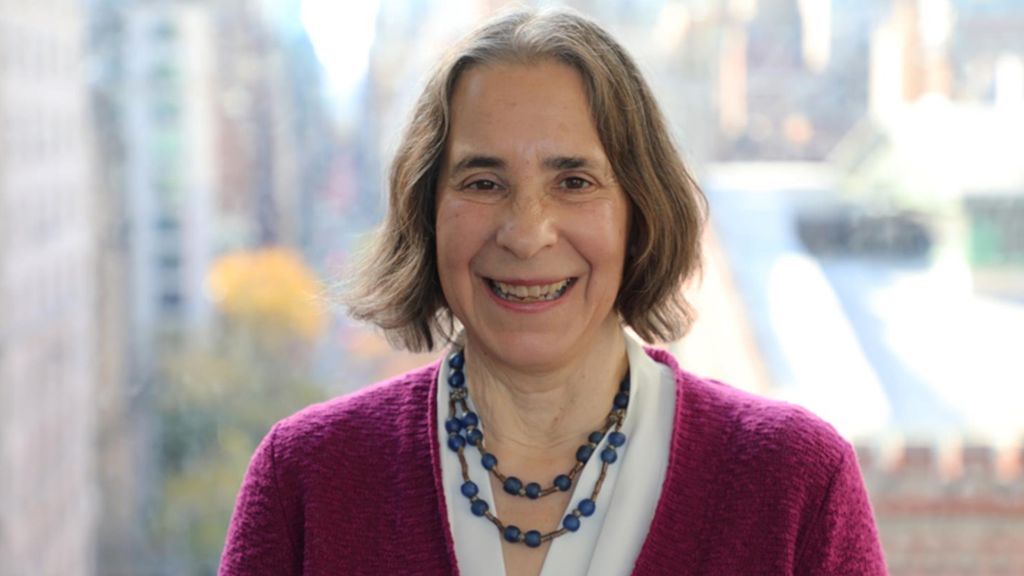
Special Advisor to the Provost Jennifer Tuten
Spanning more than 30 departments and programs, all five schools at Hunter, and the Leon and Toby Cooperman Library, the projects involve 90 faculty members and more than 100 community partners engaged as co-designers in 25 neighborhoods across the five boroughs, with deep work in Harlem, the South Bronx, Brownsville in Brooklyn, and Sunnyside in Queens.
“This work positions Hunter not just as a participant in the city’s civic life, but as a co-creator of solutions with communities,” said Jennifer Tuten, Professor of Literacy Education and newly named Special Advisor to the Provost on Community Engagement and Public Partnerships. “The grants are a disciplined strategy for aligning teaching, research, and public service with the needs of New York City.”
When the college asked for proposals, a remarkable 47 thoughtful and compassionate applications arrived, which didn’t surprise Hunter College President Nancy Cantor.
“Hunter has a long tradition of publicly engaged scholarship, and this seed grant program is a pivotal way to invest in this strength,” Cantor said. “It is catalyzing great work and, we hope, will encourage even more, the sum of which is paradigmatic of what it means for Hunter College to be an anchor institution in New York City, partnering with local organizations across sectors and residents to address local instances of challenges that are actually faced globally.”
More than 75 in-person public events are planned — including health pop-ups, cultural ceremonies, youth performances, educator workshops, focus groups, and public forums. Many projects involve collaborations across traditional departmental boundaries and grantees who are tenured and adjunct faculty, as well as veteran researchers and newer faculty and staff.
The projects demonstrate Hunter’s commitment to acting as an anchor institution in New York City, moving beyond episodic service to build reciprocal, long-term partnerships with schools, cultural institutions, advocacy groups, and public agencies. Faculty are integrating community engaged research, participatory evaluation, and public scholarship into their teaching and inquiry. More than 15 projects use participatory or community-based research methods, ensuring that neighborhood residents help shape questions, interpret findings, and define impact. Several create paid internships or fellowships.
Students benefit in several ways: They are not just observing community work — they are co-producing it. They will gain stipends, credit-bearing professional experience, on-the-ground training in participatory research and ethical community engagement, and paths into public-service careers.
“This is how we prepare students to be professionals who can work across differences and complexity,” Tuten said.
The seed grants are helping Hunter to strengthen public systems strained by inequality and translate research into practice in real time. The grants show how small, strategic investments can catalyze when anchored in faculty expertise and place-based community leadership.
About three-quarters of the projects uplift marginalized voices — including immigrant communities, youth in foster care, people with disabilities, public housing residents, transgender and nonbinary artists, adult learners, and working-class communities of color.
Tuten said that the grant program would evolve and might focus future rounds on various themes.
“The first round established is that Hunter has the faculty, community trust, and institutional capacity to lead as an anchor institution with the community,” Tuten said. “Those qualities are something worth building together.”