  • Information for
    • Students
    • Alumni & Friends
    • Faculty
    • Staff
    • Community
  • QUICK LINKS
  • DIRECTORY
  • APPLY
  • GIVE
  • RENT
Hunter College
About
  • Overview
  • Mission
  • Strategic Plan
  • Accreditation
  • Fast Facts
  • Office of the President
  • Capital Projects & Planning
  • Sustainability
  • Campus Information
  • Contact Us
Academics
  • Approach
  • Provost
  • Schools
  • Departments & Programs
  • Majors
  • Honors & Scholars
  • Education Abroad
  • Advising
  • Research & Creative Works
  • Course Catalogs
Admissions
  • Overview
  • Undergraduate
  • Graduate
  • Course Catalogs
Student Life
  • Clubs & Organizations
  • Residence Life
  • Athletics
  • Dining On Campus
  • Community
  • Events
  • News
  • Libraries
Hunter College Schools
  • School of Arts & Sciences
  • School of Education
  • School of Health Professions
  • Hunter-Bellevue School of Nursing
  • Silberman School of Social Work
More Schools
  • Hunter College Campus Schools
  • Hunter College Continuing Education
  • Libraries
  • Students
  • Alumni & Friends
  • Faculty
  • Staff
  • Community
  • Events
  • News
  • APPLY
  • GIVE
  • RENT
  • QUICK LINKS
  • DIRECTORY
Pre-Professional Programs /
Pre-Health Advising
  • About
  • Subscribe to the Pre-Health Listserv
  • Pre-Health Timeline
  • Apply to Pre-Health
    • Freshman Students
    • Transfer Students
    • What is the Pre-Health File?
    • Evaluation & Recommendation Requests
  • Advising
  • Events and Seminars
    • PPAP 1003 Seminars Playlist
  • Pre-Health Mentoring Initiative
    • PHMI Board Members
    • PHMI Ambassadors
    • PHMI Peer Advising
  • Course Requirements
  • Pre-Health Committee
  • Successful Applicants
  • Pre-Health Purple Hawk Podcast
  • Programs to Consider
    • Health Professions Programs at Hunter
    • Special Programs
    • Early Assurance Programs
    • Study Abroad Programs
    • Dreamers & Undocumented Students
  • Clubs and Organizations
  • Resources
  • FAQs
  • Contact Us

Successful Applicants - SUNY Downstate EME

SUNY Downstate logo.
  • Back to Successful Applicants Overview

Year of Matriculation:

  • 2025
  • 2024
  • 2023
  • 2022
  • 2021

2025 Matriculants

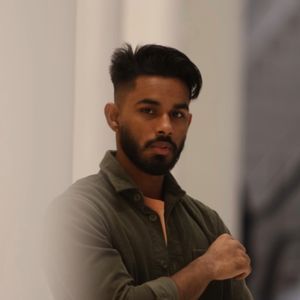
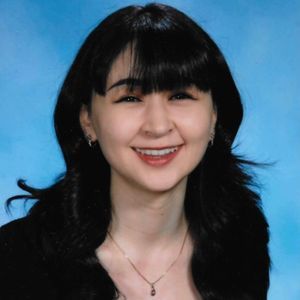
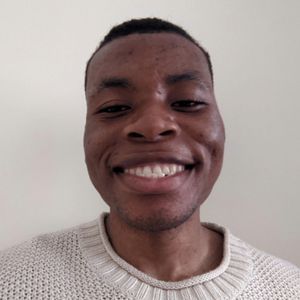
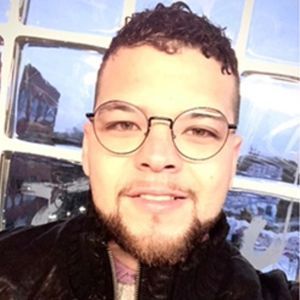
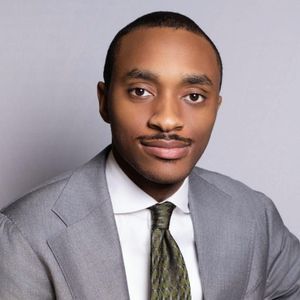
Photo of Matthew Neil

Name: Matthew Neil
Major: Biological Sciences and Special Honors (Thomas Hunter Honors Program)
Minor: N/A
Overall GPA: 3.57
Graduation Year: 2023
Matriculation Year: 2025


Q: Which school will you be attending?
A: SUNY Downstate College of Medicine

Q: What drew you to this particular health field?
A: Throughout my life, I have had an interest in science, and over the years, that interest blossomed into an interest in healthcare and medicine. Through experiences within my local nursing home, my family, volunteering experiences, and witnessing the health struggles of my close loved ones and church members, I realized that I desired to be an advocate and beacon for patients as a physician. Medicine is a unique and rewarding field in which we have the opportunity to be part of the healing process in an individual’s life.

Q: What extracurricular activities did you participate in?

A:
During my time at Hunter College, I found myself involved in many different extracurricular activities. Activities that were medicine-related, and activities that were not and were just genuine interests of mine. I am quite involved in my church ministry and activities, which allows me to have that constant involvement and anchor with my religious beliefs and my community. Some examples of activities I was involved in while at Hunter include:

  1. Summer Program for Underrepresented Students (SPURS), Columbia University - Research
  2. Program for Individualized Mentorship Education Solutions (PrIMES), Weill Cornell Medical Center - PrIMES mentee
  3. New York Presbyterian-Weill Cornell Medical Center: Volunteer within the Neurological Critical Care Unit
  4. New York Boulevard Pharmacy - Pharmacy Technician
  5. Neil Imagery LLC - Lead Photographer

Q: How many hours on average did you spend studying for your courses per week?
A: The hours I spent studying for my courses per week were dependent on the material and specific coursework. The pre-medical courses, such as Biology, Chemistry, Physics, and Organic Chemistry, required more studying time and more time utilizing practice questions. Throughout my undergraduate studies, I felt that I had a good balance between taking other courses that interested me, such as music, which is a passion of mine. Additionally, having been a part of the Thomas Hunter Honors Program, I had the privilege of taking many classes in the humanities discipline that I found to be intriguing. It is challenging to provide a quantifiable number of hours per week I spent studying due to the vast variability, but I know that I placed a strong emphasis and priority on studying areas in which I was weak.

Q: Did you use a test prep course? What resources did you use to prepare?
A: As participants of the Early Medical Education (EME) Program at SUNY Downstate, we received many resources to assist us in preparing for the MCAT. For example, we received resources such as Kaplan books along with the associated question bank, Blueprint, Uworld, Khan Academy, and AAMC. I also utilized ANKI, which helped me in reinforcing content areas, particularly in the Psychology/Sociology section, which has more of a memorization burden than the other content areas on the MCAT

Q: Did you take a GAP year? If so, why?
A: Yes, I took two gap years. During the first gap year, I continued to study for the MCAT and hone in on my interests and passion for medicine. After my third attempt at the MCAT, I was privileged to be accepted to the Bridges to Medicine Program: Master’s in Physiology at SUNY Downstate through the College of Medicine. The Bridges Program provided me with the necessary skills and knowledge on how to ultimately succeed as a medical student and as a physician in the future. The path to medicine is not always linear, but the journey is worth it, so in however many gap years you may take or need, don’t lose sight of the goal!

Q: What do you consider to be your strengths in your application?
A: I believe the strengths in my application were my ability to show the components of being a well-rounded individual with interests outside of medicine, and how that tied into my passion for medicine. Your character and personality need to shine through your application. When this happens, and you get to the interview portion, it allows the interviewer to get a confirmation of what type of person you are. Hence, it is so important to be your authentic and genuine self in your application and ultimately in your interview.

Q: Did you apply nationally?
A: No, I only applied to SUNY Downstate through the Early Medical Education (EME) Program.

Q: How did the Pre-Health Advising Office help you achieve your goals?
A: The Pre-Health Advising Office helped me achieve my goal of getting into medical school by supporting me in my endeavors to become a physician. Specifically, providing me with information and resources regarding research opportunities, how to write personal statements, and advice on how to properly interview and advocate for myself were integral to my achievement of receiving an acceptance to medical school. The Pre-Health Advising Office at Hunter College believes in its applicants, so you must continue to believe in yourself.

Q: What advice do you have for future applicants?
A: Continue to believe in yourself, and trust that all things will work out well and for your good. Having faith and believing in the process and journey is the most important thing you can do. Kemile would often tell me to “keep swimming”, and I would also like to share that with whoever may be reading this. Never give up on your dreams and passion!
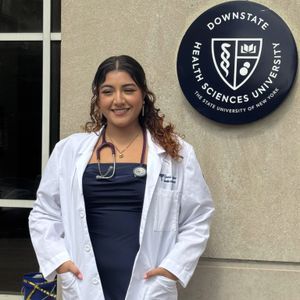
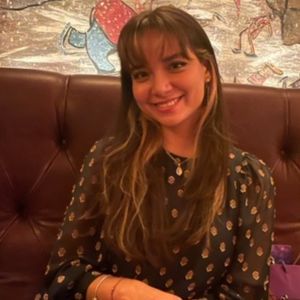
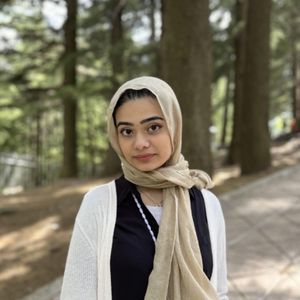
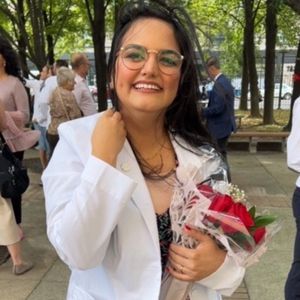
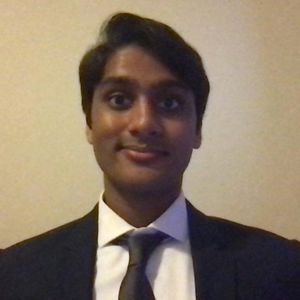
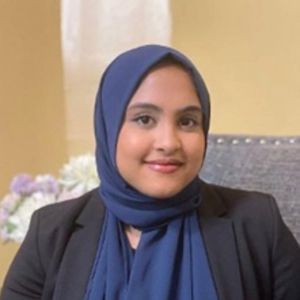
Photo of Genesis Rodriguez

Name: Genesis Rodriguez
Major: Medical Lab Sciences BS
Minor: Sociology
Overall GPA: 3.56
Graduation Year: December 2022
Matriculation Year: 2025


Q: Which school will you be attending?
A: SUNY Downstate College of Medicine

Q: What drew you to this particular health field?
A: Ever since I was young, I told everyone who listened that I wanted to be a doctor. My favorite days would be when I’d get to see my pediatrician, a bright, compassionate woman who seemed to have all the answers. Multiple health issues affecting most of my family members left me feeling confused and hopeless. The desire to be like my doctor as a child coupled with the feeling of being useless to my family during adolescence drove me to grow a strong curiosity for medicine. Undergrad is where I started to realize the magnitude of such a commitment. As an MLS major, I took classes similar to medical school material and found a part time job in the field. This formative experience confirmed a career as a laboratory technician was not for me, further solidifying my choice in pursuing medicine. Through my firsthand experience as an underrepresented minority pre-medical student, as well as my extracurriculars, I discovered how I can use this passion to improve the livelihood of those in underserved communities, like those of my family, friends, and neighbors.

Q: What extracurricular activities did you participate in?
A:

  • LMSA+ Hunter College - Social Media Manager, then President
  • Catholic Medical Mission Board x Hunter College - Treasurer
  • Exploring Health Careers SUNY Downstate - Summer Intern
  • SPRINTER Summer Research Program - Summer Student Researcher
  • NYP-Weill Cornell PRIMES Mentorship Program - Mentee and Shadowing
  • Columbia Vagelos College of Physicians and Surgeons GET-UPP Mentorship Program - Mentee
  • Meyer Cancer Center and Englander Institute for Precision Medicine Weill Cornell - Intern
  • Euler Microbiology Lab - Undergraduate Honors Researcher
  • CARE Mount Sinai Volunteer Department - Volunteer
  • National Black Leadership Commission on Health - Volunteer

Q: How many hours on average did you spend studying for your courses per week?
A: 20-25 hours/week, not necessarily an exact measure, depended on which courses took precedence that day/week

Q: Did you use a test prep course? What resources did you use to prepare?
A: Most of my MCAT studying was done using resources provided by EME such as the Kaplan test course, TestingSolutions for CARS, and Blueprint practice exams. I also used Khan Academy videos (free), Anki (free) and UWorld (very much not free).

As a visual learner, I would look for secondary materials found online from sources like the MCAT Reddit sub and YouTube. Some YouTube channels I recommend checking out: Informing Future Doctors (IFD), Professor Eman, Professor Dave Explains, Sketchy Learning, Medicosis Perfectionalis, and The Organic Chemistry Tutor (helpful since Gen Chem).

Q: Did you take a GAP year? If so, why?
A: Yes. I needed an extra semester to complete my major and honors requirements. This also gave me time to perfect my EME application. EME is a two-summer program so the year in between these summers was used to work part-time and study as much as possible.

Q: What do you consider to be your strengths in your application?
A: My commitment to increasing my knowledge and readiness as a pre-medical student is evident in the numerous mentorship opportunities I sought out throughout my undergraduate career. Being the first to pursue medicine in my family, these resources have been invaluable in providing me with the tools necessary for medical school acceptance.

Q: Did you apply nationally?
A: No.

Q: How did the Pre-Health Advising Office help you achieve your goals?
A: The Pre-Health Advising Office has been the spot to go to in times of hardship, time of celebration, and times where you need a friendly face and an extra boost of encouragement when medical school seems like an impossible goal. The advising office has been great for checking up on all the necessary requirements needed for success.

Q: What advice do you have for future applicants?
A: Having a timeline and goals for yourself is helpful. Planning ahead doesn’t always work out, however, and that is when you need to reevaluate your timeline, check in with your professors, advisors, mentors and the Pre-Health office to see how you can adjust your plans and get back on track. The goal is to get into medical school, it’s okay if it takes longer than usual. Focus on what you can control.
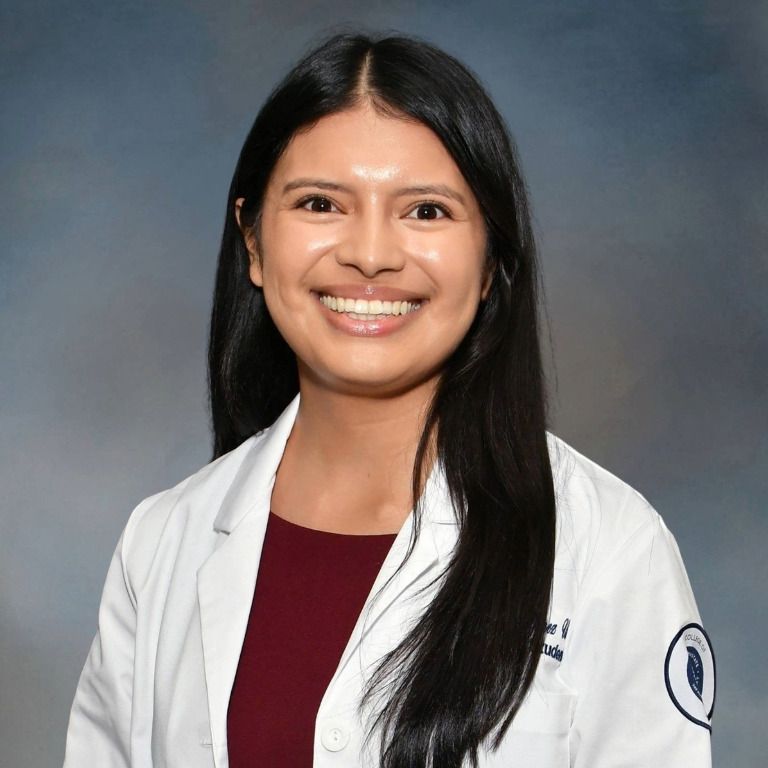
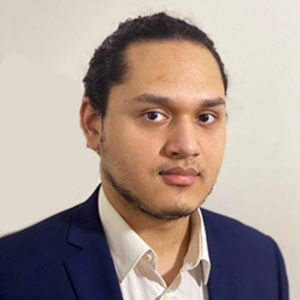
Name: Samantha Yanez Viera
Major: Biology
Minor: Music
Overall GPA: 3.43
Graduation Year: January 2023
Matriculation Year: 2025

Q: Which school will you be attending?
A: SUNY Downstate Health Sciences University

Q: What drew you to this particular health field?
A: Growing up, I found immense purpose and fulfillment caring for my family members through their health challenges and translating for them, allowing me to fill the gap between them and their provider. My desire to help grew, motivating me to not only continue caring for my family but my community and beyond.

Q: What extracurricular activities did you participate in?
A: I participated in several years of community service through my church and outreach opportunities I created and led with my community. I took on many years of leadership positions at my church, such as treasurer, music director, Sabbath school teacher, and more. Lastly, I worked up to 2 jobs at a time throughout all undergrad in both clinical and non-clinical settings.

Q: How many hours on average did you spend studying for your courses per week?
A: It is hard to tell as I didn’t track, but I studied as much as I could.

Q: Did you use a test prep course? What resources did you use to prepare?
A: I had access to Kaplan to prepare for the MCAT but found UWorld to be very helpful and taking as many practice exams as possible to be the best method for me.

Q: Did you take a GAP year? If so, why?
A: I took two gap years. In the first year I took part in the Early Medical Education program at SUNY Downstate and dedicated many months to studying for the MCAT. After, I was offered the opportunity to take a Post-Baccalaureate program in Buffalo. I am very happy I took on these opportunities because it exposed me more to the rigors of medical school allowing me to reaffirm that I want to pursue a career as a physician and these experiences have made me overall stronger.

Q: What do you consider to be your strengths in your application?
A: I believe a strength of mine in my applications were my essays. I shared many of my struggles, experiences, and life lessons and tried to tell them in a story-like manner. I was honest and tried to present how each of my experiences impacted me because I know they have brought me to this moment and made me the person I am today.

Q: Did you apply nationally?
A: I did not, I only applied to SUNY Downstate.

Q: How did the Pre-Health Advising Office help you achieve your goals?
A: The Pre-Health Advising Office staff believed in me when I didn’t believe in myself. I decided to become a doctor later in my undergrad career after many years of doubt. They helped me organize myself, tell my story, and give me the confidence I needed through mock interviews to become a stronger applicant.

Q: What advice do you have for future applicants?
A: My biggest advice would be to be honest with yourself and seek help. I realized I wasn’t fulfilled with my initial career path and I took a moment to evaluate myself, my goals and what I really wanted to do with my life. Although I thought it was too late, I sought the advice of Kemile Jackson, whose encouragement motivated me to pursue my dreams of becoming a physician. If I had not sought guidance through prayer and the Pre-Health Advising Office I would have delayed or possibly missed out on this milestone!

An additional word of advice: Do not compare yourself and never give up!!
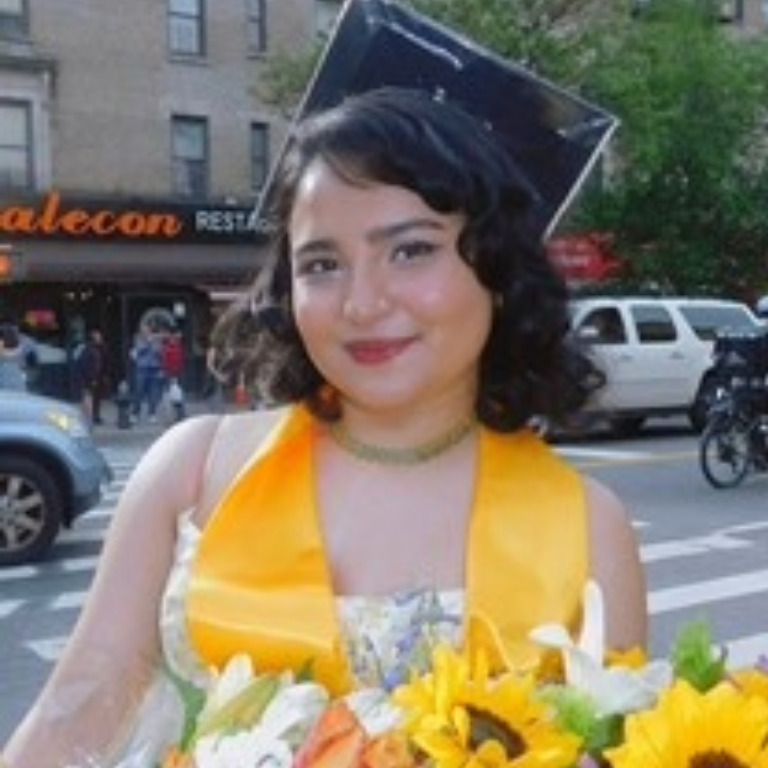
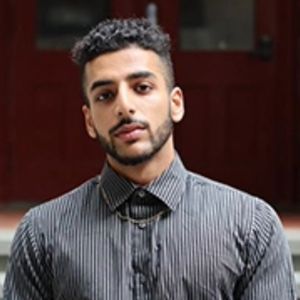
Name: Sanjana Ahmed
Major: Human Biology
Minor: Journalism
Overall GPA: 3.76
Graduation Year: 2024
Matriculation Year: 2025

Q: Which school will you be attending?
A: SUNY Downstate College of Medicine

Q: What drew you to this particular health field?
A: There was no specific moment when I knew I wanted to become a physician. While the idea was planted in my mind due to how much I enjoyed and excelled in my science courses from a young age, a culmination of events propelled me towards this decision. Volunteering at my local hospital gave me my first patient interactions. The most meaningful moment of this experience was when I acted as a translator for a Bangladeshi patient. The ability to be able to provide comfort and care as someone who understood her both verbally and on a cultural level further supported my decision. As I have matured, I have become even more firm in my choice to pursue this career. While I faced challenges throughout my undergraduate career as I pursued conducting research, working, and leading clubs alongside rigorous coursework, they only furthered my desire to become a physician.

Q: What extracurricular activities did you participate in?
A:

  • Founded Mother Nature’s Gift
  • Mother Nature’s Gift LLC Chairwoman
  • President/Writer/Editor of the Society Bioethics and Medicine
  • Macaulay Honors Peer Mentor
  • Research Assistant at Mount Sinai
  • Resident Assistant at the Brookdale Campus Dorms
  • Student Researcher in the Albert Einstein School of Medicine
  • Public Speaking and Creative Writing Mentor
  • Transcranial Magnetic Stimulation (TMS) Treater
  • Medical Assistant for a Bronx NY Private Practice
  • New York Academy of Sciences Afterschool STEM Mentorship Student Teacher
  • CUNYverse Student Journalist & Content Creator
  • Caraway Campus Ambassador

Q: How many hours on average did you spend studying for your courses per week?
A: 5-15 hours per week. However, I would have two dedicated study days, so I would never have things pile up during exam season. The biggest thing for me was focusing more on the quality of my studying and making sure I could apply the concepts rather than the amount of studying I did.

Q: Did you use a test prep course? What resources did you use to prepare?
A: I was in an early acceptance program and they provided us with Kaplan, Blueprint, and AAMC. AAMC was the most valuable in terms of practice, but Kaplan and Blueprint both felt equally beneficial in terms of content review. I also used the MilesDown Anki deck.

Q: Did you take a GAP year? If so, why?
A: Yes, I was in an early acceptance program so I took the MCAT during my gap year before I began.

Q: What do you consider to be your strengths in your application?
A: Not only do I think that my extracurriculars were very important, but also my writing style was brought up during my interview. I believe that it helped immensely that I was able to show how my journalism minor benefited me and its relation to medicine made me a more dimensional applicant.

Q: Did you apply nationally?
A: No, I only applied to the Early Medical Education Program at SUNY Downstate.

Q: How did the Pre-Health Advising Office help you achieve your goals?
A: My advisor, Ms. Kemile Jackson, was absolutely integral to my medical school acceptance. She not only helped me throughout the application process with editing and writing, but also took the time to make me believe that I was capable of getting in.

Q: What advice do you have for future applicants?
A: Comparison is the thief of joy. Don’t focus on everyone else, focus on what you can do, and go from there. Take your studies seriously, but also live your life. Balance in key in this career track so its important to learn and utilize those skills early on.
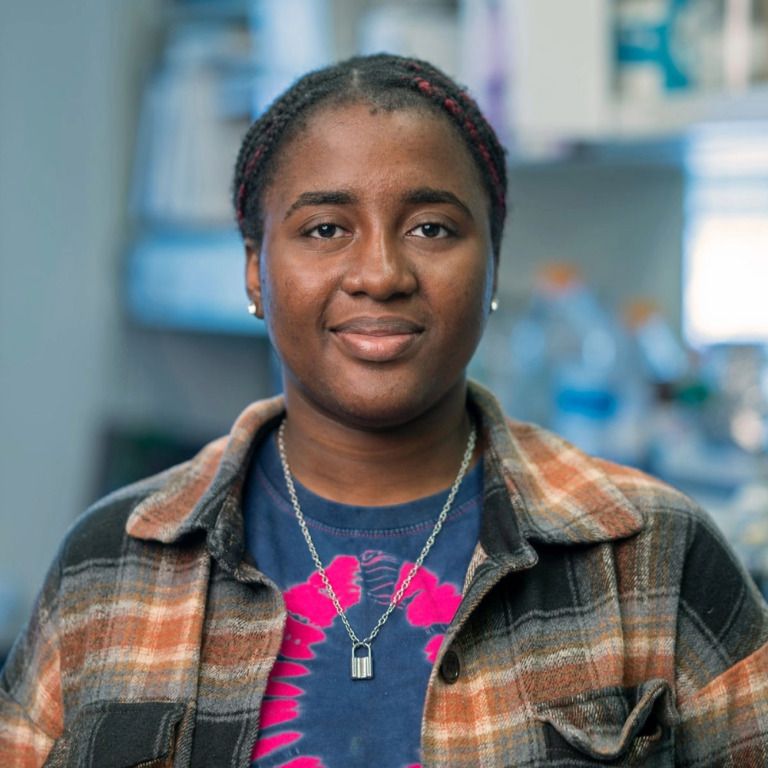
Name: Sharon Adeniyi
Major: Biological Sciences Major I
Minor: Public Health
Overall GPA: 3.7
Graduation Year: 2023
Matriculation Year: 2025

Q: Which school will you be attending?
A: SUNY Downstate College of Medicine

Q: What drew you to this particular health field?
A: Growing up in Nigeria, I witnessed firsthand the challenges of an under-resourced healthcare system. These early experiences ignited my passion to pursue medicine and advocate for lasting change. Later, through volunteer work and clinical exposure, I was reminded of the profound role healthcare professionals play during life’s most vulnerable and joyful moments. I also came to appreciate the ever-evolving, investigative nature of medicine, which aligns perfectly with my curiosity and desire for continuous learning. Combining my lived experiences with my growing interest, medicine became the clear and natural path for me.

Q: What extracurricular activities did you participate in?
A:

  • Volunteer at Mount Sinai and Lincoln Hospital
  • Disaster Action Team Associate with the American Red Cross
  • Algebra and Science Tutor through CUNY Tutor Corps
  • 2022 CanSUR Summer Research Intern
  • PHMI Mentor
  • Undergraduate Research Intern and later Research Technician in Dr. Huangfu’s Lab
  • Executive Board Member for CMMB x Hunter, ACS x Hunter, and IVCF x Hunter,

Q: How many hours on average did you spend studying for your courses per week?
A: I didn’t keep an exact record, as my study time varied depending on the course and how close it was to a test or exam. On average, I maybe studied about 5–10 hours per week, increasing to approximately 12–15 hours during exam preparation periods.

Q: Did you use a test prep course? What resources did you use to prepare?
A: I primarily used the Kaplan course provided by the EME Program to study for the MCAT. To supplement my preparation, I incorporated AAMC practice exams and educational YouTube videos from channels such as Crash Course, Khan Academy, Andrey K, and The Organic Chemistry Tutor.

Q: Did you take a GAP year? If so, why?
A: Yes, I took 2 gap years. This was to study for my MCAT. I also got to continue the research I started as an undergraduate and take a little break which was rewarding.

Q: What do you consider to be your strengths in your application?
A: I’m not entirely sure what specific strengths others might identify in my application, but I believe one of the most meaningful aspects is the well-rounded nature of my experiences and how they reflect a genuine and sustained interest in medicine.

Q: Did you apply nationally?
A: No, I only applied to SUNY Downstate College of Medicine through their EME program,

Q: How did the Pre-Health Advising Office help you achieve your goals?
A: The Pre-Health Advising Office at Hunter was incredibly supportive both during my time as a student and after I graduated. Through advising sessions with Kemile, I learned about the EME Program, which became an important part of my journey. They also provided invaluable assistance by helping me edit and revise my personal statements and application essays for undergraduate programs and medical school. The staff were always responsive, approachable, and eager to offer guidance whenever I reached out.

Q: What advice do you have for future applicants?
A: The journey to medicine can be filled with challenges, setbacks, and moments of doubt but it’s important to stay focused on your ultimate goal and always remember your “Why Medicine?” As the saying goes, "What doesn’t kill you makes you stronger" (Kelly Clarkson), and that strength will carry you through. Don’t struggle in silence. If you're having any form of difficulty with a course or looking for opportunities, reach out to the Pre-Health Office, your classmates and any support group you need. Support is there, and I promise, no one is going to kick you out for asking for help. Most importantly, avoid comparing your path to others. Everyone’s journey is unique, and as long as you stay committed, work hard, and remain intentional, you will get there. Embrace the process because it’s all part of what will make you a compassionate and resilient future physician.
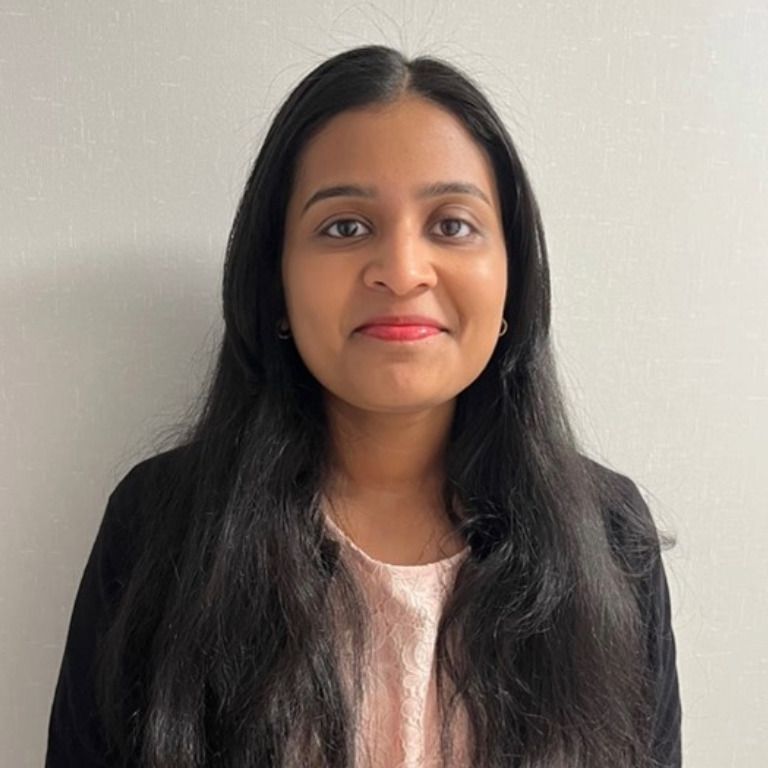
Name: Shanjana Babar 
Major: Biochemistry
Minor: Women and Gender Studies
Overall GPA: 3.789
Graduation Year: 2024
Matriculation Year: 2025


Q: Which school will you be attending?
A: SUNY Downstate College of Medicine

Q: What drew you to this particular health field?
A: I initially became interested in the field of medicine after a family member’s diagnosis with cancer. As the oldest child in my family and the only one who spoke fluent English at the time, I often accompanied them to their doctor’s appointments. It was then during my conversations with the physician that I became interested in the field of medicine and the role of a physician in particular. I also developed an interest in studying human anatomy since, whenever a member of my family inquired about what was wrong, I felt unable to adequately explain the situation. I began to be fascinated by all the intricate elements of the human body and how they worked. This inspired me to continue learning more about the science of illness. To explore my interest, I began volunteering at a primary care medical office in my neighborhood which served a predominantly immigrant population. I was exposed to patients who had never visited a doctor before. This was one of the moments that I became aware of health disparities that exist and developed a passion for serving people of diverse ethnic and socioeconomic backgrounds. My interest in medicine was first sparked by my passion for science and a desire to understand my family member’s diagnosis. However, it was the relationships developed with the patients during my clinical experiences that gave me a deeper understanding of clinical care and continues to motivate me to pursue a career in medicine and serve communities that have endured challenges.

Q: What extracurricular activities did you participate in?
A:
Clinical

  • CARE Program at Mount Sinai Hospital
  • Medical-Surgical Unit Volunteer at Maimonides Medical Center
  • Volunteer at a Primary Care Medical Office
  • Shadowed Internal Medicine/Nephrology Physician
  • HEAL Virtual Clinical Shadowing Program
  • Brainterns Program Lenox Hill Hospital

Research

  • Undergraduate Research Student (Greenbaum Laboratory at Hunter College, Department of Chemistry and Biochemistry)
  • Presented at the CUNY Undergraduate Research Conference, Hunter College Undergraduate STEM Research Conference, and the Hunter College Department of Chemistry Thesis Defense Seminar
  • Research Volunteer for The Microbe Directory Project at Weill Cornell Medicine

Community Service/Other

  • New York Cares Volunteer
  • Pre-Health Mentoring Initiative
  • Peer Teaching Assistant for biochemistry (CHEM 376)
  • E-Board Secretary of AMSA Hunter College
  • Instructor at Khan’s Tutorial

Q: How many hours on average did you spend studying for your courses per week?
A: I spent about 15-20 hours and more when I had exams.

Q: Did you use a test prep course? What resources did you use to prepare?
A: Yes, the EME program provided us with a Kaplan course. I used the Kaplan books and Khan Academy for content review. To retain the content, I utilized the Miles Down Anki Deck. A resource that I found helpful was the amino acid quiz, it is an app that you can download on your phone, and I found it useful in helping me remember the amino acids. For practice questions, I used UWorld and the AAMC Question Banks. For CARS I did a mix of testing solutions and Jack Westin passages in the beginning of my prep. As I got closer to my test date, I used the CARS Question Packs on AAMC. Another resource that I found helpful was the psych soc 100-page document on reddit.

Q: Did you take a GAP year? If so, why?
A: Yes, I took one gap year to become a stronger applicant for medical school and to study for the MCAT. During my gap year I engaged in clinical volunteering to gain more experience working in a health care setting. I also worked as an instructor at a tutoring center and mentored students. I found it helpful to take a gap year because it allowed me to enhance some of my skills, give back to my community, and reflect on my interests in medicine.

Q: What do you consider to be your strengths in your application?
A: My extracurricular activities and essays were the strengths in my application. I think being able to articulate in my personal statement why I wanted to do medicine and then having activities that aligned with my interests was a strong point of my application. Also being able to speak during the interview about my challenges and how I overcame them allowed me to stand out as an applicant.

Q: Did you apply nationally?
A: N/A

Q: How did the Pre-Health Advising Office help you achieve your goals?
A: The Pre-Health Advising Office provided me with the support and resources I needed to succeed as a pre-health student and to become a stronger applicant for medical school. For example, the pre-health listserv introduced me to many of the activities and connections I developed. Additionally, the pre-health seminars that were held throughout the year were very beneficial in educating and keeping me focused about the regular tasks that I needed to complete to stay on track. During the application process, the pre-health advising office provided me with invaluable support in proofreading my application and ensuring that I was representing my authentic self. I am really grateful to Ms. Kemile Jackson for all her support throughout this journey. Being the first person in my family to pursue a career in medicine, there were times when I was confused and anxious about the process. Ms. Kemile was always available to answer any questions that I had and provided me with honest advice about how to improve my candidacy and guided me in the right direction. She always encouraged me to stay positive and believe in myself.

Q: What advice do you have for future applicants?
A:

  • Apply for different opportunities. I wish I had started this sooner rather than later. I would limit my options during my first few years of college because I doubted my skills and felt I was not a good enough applicant. Later, I came to realize that it is beneficial to apply for as many opportunities as possible. The worst thing that can happen is you will get rejected but even then, that is a learning experience. Therefore, do not be afraid to apply for different opportunities, you never know what you might come across.
  • Ask for help. Don’t be afraid to ask for help and connect with people who can assist you. The pre-health journey can feel overwhelming and difficult at times, and it is perfectly okay to ask for help and seek advice from others. Reach out to the pre-health office, your professors, mentors, and peers who can all support you and help guide you in the right direction.
  • Take time for yourself and your hobbies. It is okay to take breaks at times and to spend time with your friends and family.
  • Believe in yourself. The pre-health journey is not always linear. There might be times when you face a challenge such as a low grade or things not going as planned, but that does not mean it is the end. Use the challenges to learn and redirect your path. Everyone’s journey is different, and it is important to remember how far you have come and to remain focused on your dreams and goals.
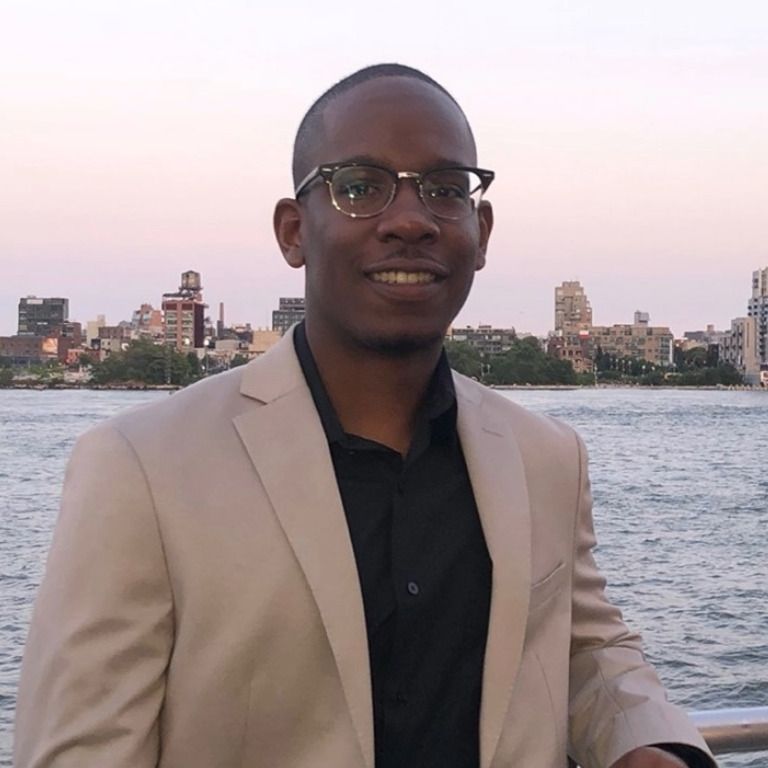

Name: Emmanuel Cadet
Major: Psychology (behavioral neuroscience concentration)
Minor: Philosophy
Overall GPA: 3.60
Graduation Year: 2023
Matriculation Year: 2025

Q: Which school will you be attending?
A: SUNY Downstate College of Medicine

Q: What drew you to this particular health field?
A: Growing up, I observed how compassionate physicians had an impact on communities, and I wanted to be part of that change. Through my clinical experiences I became motivated to serve people, provide hope and offer opportunity. I believe that medicine offers a unique blend of intellectual challenge and human connection, which is deeply fulfilling to me.

Q: What extracurricular activities did you participate in?
A: I participated as a Pre Health PHMI mentor and I was involved with the Hunter has Heart club.

Q: How many hours on average did you spend studying for your courses per week?
A: 14-18 hours per weeks

Q: Did you use a test prep course? What resources did you use to prepare?
A: I used the resources provided by the EME program, which included a Kaplan MCAT prep course.

Q: Did you take a GAP year? If so, why?
A: I took two gap years because I had to retake the MCAT.

Q: What do you consider to be your strengths in your application?
A: One of my greatest strengths is the resilience I developed after migrating from Haiti to New York at the age of nine. This experience shaped my adaptability and determination. Throughout my time at Hunter, my clinical experiences have given me cultural competences in serving diverse communities and deepened my commitment to patient-centered care. My academic record reflects an upward trajectory that demonstrates my ability to persevere and grow through challenges.

Q: Did you apply nationally?
A: No.

Q: How did the Pre-Health Advising Office help you achieve your goals?
A: The pre-health advising office played a pivotal role in helping me achieve my goals by creating a personalized framework for my journey to medical school. Interacting one-on-one with my Pre-Health advisor gave me insight into my background, strengths, and aspirations; this helped to shape my short- and long-term goals. The support I received from the office gave me clarity and confidence to move forward.

Q: What advice do you have for future applicants?
A: My advice for any pre-med is to focus on what you can control, a principle emphasized by the Stoic philosopher Epictetus. Instead of worrying about factors outside your influence, direct your energy toward consistent effort and preparation. Develop strong habits such as disciplined study routines and effective time management. These skills will make the journey far more manageable. It’s also important to own your story by embracing the unique personal experiences that have shaped who you are as an individual.
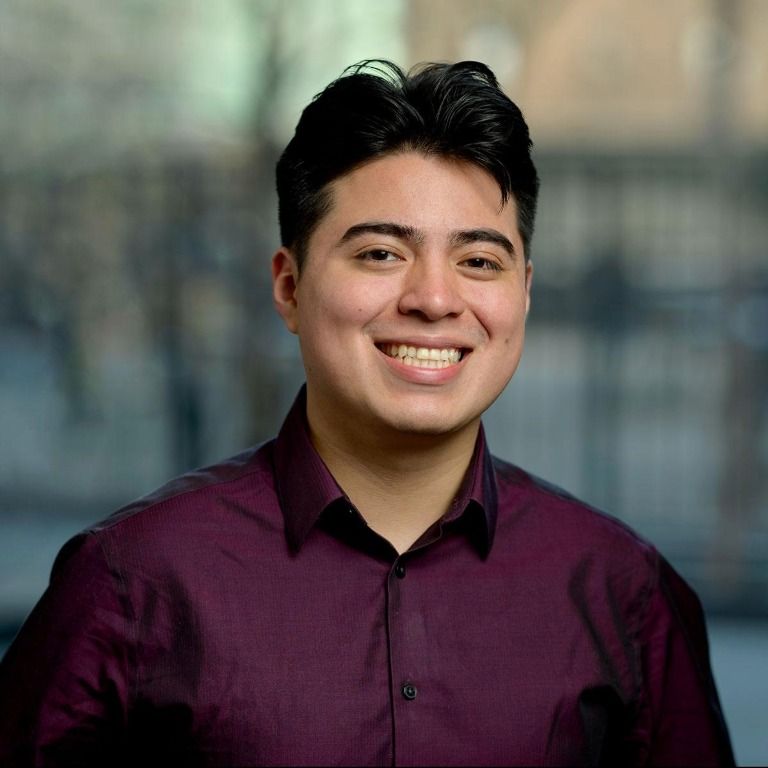

Name: Antonio Peralta-Avila
Major: Biology
Minor: Chemistry
Overall GPA: 3.81
Graduation Year: 2024
Matriculation Year: 2025

Q: Which school will you be attending?
A: SUNY Downstate

Q: What drew you to this particular health field?
A: I had always been intrigued about the human body and taking biology in high school gave me the opportunity to begin exploring that interest. That interest slowly prospered into a passion for biology, which led me to major in it and is one reason why I began pursuing medicine.

I grew up in an underserved community, so I’ve witnessed and experienced some of the issues in my community. Language barriers and medical malpractice are just a few examples of that, which I believe need to be taken seriously and addressed. Advocating for others who may not be able to or are too afraid to speak out is another reason why I was drawn to this field.

Q: What extracurricular activities did you participate in?
A:
Mount Sinai Hospital - C.A.R.E Volunteer
Memorial Sloan Kettering - H.O.P.P Research Intern
CUNY Hunter College - College Assistant/Tutor, Non-Teaching Lab Technician
Weill Cornell Medicine - Ultrasound Simulator and P.A.C Volunteer Moving Brains Neurological Care - Shadowing
CUNY Hunter College - Pre-health Research Initiative: Event Coordinator

Q: How many hours on average did you spend studying for your courses per week?
A: I would say on average I spent about 20-30 hours studying for my courses per week

Q: Did you use a test prep course? What resources did you use to prepare?
A: I didn’t use a test prep course. I used anki, Kaplan, U World, and AAMC to prepare for both my first take and my re-take.

Q: Did you take a GAP year? If so, why?
A: I did take a gap year due to the E.M.E program and to prepare for the MCAT.

Q: What do you consider to be your strengths in your application?
A: A strength in my application would be the vast amount of extracurricular activities I have participated in. Accumulating many hours would be another strength in my application, but I only consider it as such since I’ve completed it over a long period of time.

Q: Did you apply nationally?
A: I did not apply nationally as I only applied to SUNY Downstate through E.M.E

Q: How did the Pre-Health Advising Office help you achieve your goals?
A: At the start of college I remember feeling extremely lost and being online for my freshman year didn’t help with any of that. I was fortunate enough to receive guidance from a lot of upperclassmen, but I lacked access to the opportunities they had at their disposal. The prehealth office has helped me develop great professionalism, resume building, communication skills, etc. Thanks to the pre-health office, especially Kemile and Bobby, I was presented with many opportunities and I wouldn’t have made it this far without their assistance.

Q: What advice do you have for future applicants?
A: My advice for future applicants is to not underestimate the MCAT. Everyone says that it’s a difficult exam and they’re right. As someone who has taken the exam twice, I’ve experienced a few highs and many lows, which is why I highly recommend carefully working out a schedule best suited to you. I personally spent too much time studying for the exam and frequently experienced burnout, which would negatively impact my performance on practice questions and exams. If I could go to the past and give myself advice, it would be to make sure to take time to step away from studying and live a little.
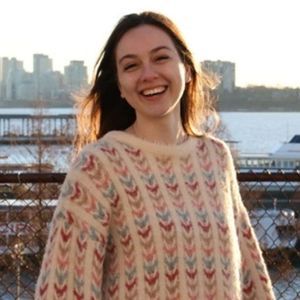
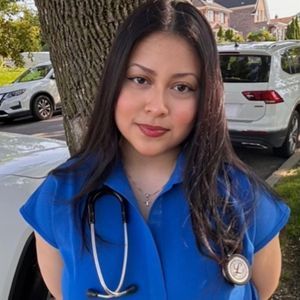
2024 Matriculants

Name: Laura Pessoa
Major: Chemistry II: Biochemistry
Minor: English
Overall GPA: 3.98
Graduation Year: 2023
Matriculation Year: 2024


Q: Which school will you be attending?
A: SUNY Downstate College of Medicine

Q: What drew you to this particular health field?  
A: Growing up in Brazil, I encountered poverty, drug violence, and inadequate healthcare infrastructures, which exposed me to the harsh realities faced by underserved communities. In 2015, during the Zika virus epidemic, I witnessed my pregnant sister deal with the anxiety of carrying a child full-term with the risk of microcephaly, due to medical uncertainty and lack of access to legal abortion. This made me aware of the need for quality healthcare. Immigrating to the USA and engaging with the diverse populations of NYC further solidified my desire to promote equity in healthcare, driving my passion for becoming a physician dedicated to serving marginalized communities.

Q: What extracurricular activities did you participate in?
A:

  • Clinical: Medical Technician at CityMD; Medical Scribe at ScribeAmerica; Administrative Medical Assistant at Ideal Foot Care.
  • Research: Research Fellow for the College Access: Research and Action (CARA) Program at CUNY Graduate Center; Marc-U-Star Summer Research Program; Research Assistant at Dr. Fuentes’s Alzheimer’s Laboratory, Research Foundation of CUNY; Honors In Action Program (HIA) at PTK International Honors Society
  • Leadership: Peer Counselor and Tutor for the College Access and Success Program (CASP) of Queens Community House (QCH); President of Book Club at Queens Community House (QCH); Vice President of Alpha Theta Phi Chapter of PTK International Honors Society
  • Non-Clinical Volunteering: Hospice Visiting Volunteer at VNS Health; Greeting Card Volunteer at VNS Health; Friendly Visiting Volunteer at Queens Community House; Volunteer for Be The Match.

Q: How many hours on average did you spend studying for your courses per week?
A: 15 to 20 hours a week if you count completing assignments as studying or 10 to 15 hours a week if you do not.

Q: Did you use a test prep course? What resources did you use to prepare?
A:

  • EME-provided materials (free):
    • Kaplan: textbooks for initial content review, practice test monthly;
    • Testing Solutions: very helpful for CARS as an ESL student;
    • Blueprint: did not use due to lack of time. It is the same as Kaplan.
  • Khan Academy (free): watched videos on areas of content gaps. The resource is useful but time-consuming. I lost a lot of useful time that could have been used on practice problems.
  • Anki Decks (free): useful for Chem-Phys (I tried it for general content as well, but personally, it was a waste of time except for memorizing formulas).
  • UWorld (halved cost with a friend): used it for 2-3 months to improve Psych-Soc score (the tables with a comparison of concepts were great).
  • AAMC’s Fee Assistance Program (free): I started using Q-banks, and practice tests for practice one month before the test day. I saw the greatest increase in score (some 10+ points) doing these and analyzing my mistakes by making an Excel sheet with the questions I got wrong, what was my wrong reasoning, what was the correct reasoning, and what content was tested there. This allowed me to target my mistakes and see my weaknesses clearly.
  • Study Group (free, of course): having an allotted time scheduled weekly to study with a friend was great for motivation and support, even if we were just silent in a Zoom call for hours studying separately.

Q: Did you take a GAP year? If so, why?
A: I had a gap semester. This small break between Undergrad and Medical school was great for my well-being and I now feel refreshed and ready to study more than ever!

Q: What do you consider to be your strengths in your application?
A: I put a lot of time and effort into my essays. I believe my personal statements reflected my perseverance through financial and emotional hardship as an adult immigrant, going into Undergrad with ESL, and how my extracurricular experiences helped strengthen my drive to medicine and mold the type of physician I will be. I was also lucky to have amazing mentors in my Professors and to have them write amazing recommendation letters.

Q: Did you apply nationally?
A: No, because I got into EME, I was bound by contract not to apply to other medical schools. One for one!

Q: How did the Pre-Health Advising Office help you achieve your goals?
A:

Kemile, Nina, and Bobby supported me every step of the way. I was a transfer student, so my Pre-Health timeline was rushed. Due to my work schedule, I was unable to complete the PPAP workshop series and did not have the time to collect all the course evaluations necessary for a Committee Letter.

Nevertheless, the Pre-Health Office did not give up on me! Instead, they opened the doors to medical school for me by recommending me to the Early Medical Education program. Kemile took the time to review my essays and advise me on revisions. Nina was kind enough to give me priceless feedback on my trainwreck of a mock interview (I am painfully shy, but we made it work!). They helped me achieve my dream with minimal stress and incredible support, a priceless opportunity I do not take lightly.
 

Q: What advice do you have for future applicants?
A:

  • Reach out to the Pre-Health Office. Even if you feel like you are too far off the path of the ideal Pre-Health applicant, they will still be there for you.
  • Connect to other Pre-Health students. Be intentional in weeding out the competitive people. Find friends who will support you every step of the way. I cannot stress how amazed I am by the kindness of some of the people I have met at Hunter. I could not have done it without them.
  • Seek activities that will allow you to explore your interests. Rediscover your reason for medicine, and reflect on how every experience you have has made you grow as a person. This will make it easier when writing your essays.
  • Study… a lot.

Name: Sharon Castro
Major: Biology
Minor: Spanish
Overall GPA: 3.66
Graduation Year: 2022
Matriculation Year: 2024


Q: Which school will you be attending?
A: SUNY Downstate College of Medicine

Q: What drew you to this particular health field?
A: I wanted a career where I could impact my community positively by treating illnesses and simultaneously bridging the gap between underrepresented patients and healthcare. I realized I was able to do this by becoming a physician that diagnoses and treats patients empathetically and understands the differences in their individual values and beliefs. Growing up in Jackson Heights, Queens, in a predominantly Latino neighborhood, it introduced me to several health disparities. I saw how physical and mental health problems were affecting people around me daily; those mainly being cancer and addiction. I saw first-hand the impact the social advocacy aspect of this career had on my neighbors and family, which is what made me keep pursuing medicine.

Q: What extracurriculars did you participate in?
A:

  • The Rockefeller University: Lab of Developmental Genetics, Shai Shaham Lab – Research intern
  • Weill Cornell Medicine: Department of Physiology and Biophysics- Research Volunteer
  • New York-Presbyterian Queens- Hospital Volunteer
  • NYU Langone Health: Sosa & Perea Medical Office- Shadowing
  • LMSA+ Hunter- Social Media Manager
  • Lennox Hill Radiology- Patient Services Representative
  • Ambulanz- Emergency Medical Technician (EMT)

Q: How many hours on average did you spend studying for your courses per week?
A: Around 20 hours/week, more during finals

Q: Did you use a test prep course?
A: MCAT Prep: Kaplan & Blueprint practice full length exams, and UWorld practice questions.

Q: Did you take a GAP year? If so, why?
A: Yes. I took two gap years to study for the MCAT and to work as an EMT & Patient Services Representative.

Q: What do you consider to be your strengths in your application?
A: I think being able to articulate how my experiences, both academic and personal, have influenced my decision to become a physician helped strengthen my application. Being able to create a narrative in my application and during my interview when discussing the moments in my life that shaped my journey to medicine, was imperative in this process.

Q: Did you apply nationally?
A: No. only to SUNY Downstate College of Medicine through their Early Medical Education program (EME).

Q: How did the Pre-Health Advising Office help you achieve your goals?
A: As a first-generation student, I had many questions related to the medical pathway and the Pre-Health Advising Office was the place I would consistently go to in order to get my answers and guidance. Through Kemile Jackson, I learned about the EME program at SUNY Downstate, which has now led me to enroll in medical school. The Pre-Health Office, and especially Kemile Jackson, helped me every step of the way; during my application process, my interview and even during my MCAT preparation.

Q: What advice do you have for others?
A: Failure allows for redirection. The path to medical school is not linear; take every “failure” as a lesson and use it to redirect your efforts to improve. Never give up on your goal; not all successful applicants have 4.0s and 520s MCAT scores; everyone's story is different. You are capable, and you will become a doctor!

Name: Flopateer Shenouda
Major: Biology
Overall GPA: 3.6
Graduation Year: 2023
Matriculation Year: 2024


Q: Which school will you be attending?
A: SUNY Downstate

Q: What drew you to this particular health field?
A: Personal experiences when I was younger sparked my interest in medicine. As it is a field where I can combine my scientific curiosity with my desire to impact a change in people's lives, I found it to be the perfect career.

Q: What extracurriculars did you participate in?
A: Volunteering at the Mount Sinai ER, American Red Cross, and DOROT. Conducting research in the Goldfarb lab at Hunter College, and working as a medical assistant in an internal medicine office.

Q: How many hours on average did you spend studying for your courses per week?
A: Approximately 12 hours per week. This would increase however closer to finals.

Q: Did you use a test prep course?
A: Through EME, I used the Kaplan book set to review content for the MCAT, as well as their online course. Then I primarily used uworld and the aamc qbanks for practice questions and exams.

Q: Did you take a GAP year? If so, why?
A: I took 1 gap year to focus solely on the MCAT

Q: What do you consider to be your strengths in your application?
A: My biggest strength is showing an upward trend in my GPA. I started college poorly due to not being ready for the college workload. After struggling early on (and considering giving up on medicine), I adjusted my studying techniques to do better in later courses.

Q: Did you apply nationally?
A: No I only applied to SUNY Downstate through the EME program

Q: How did the Pre-Health Advising Office help you achieve your goals?
A: They helped revise my responses to all my essays and responses on my application. They also helped me write about my experiences in a way that is more interesting to the reader.

Q: What advice do you have for others?
A: Take things one day at a time. Being a premed is very stressful and there’s a lot to do from studying, extracurriculars, etc. While it’s important to plan out the things you want to do, it can get very overwhelming and make you feel like you’re never doing enough. Also, you don't have to do it alone. Seek support from your advisors and upperclassmen. Learn how to unwind by spending time with friends and family.

Name: Reet Kohli
Major: Biology, Special Honors
Overall GPA: 3.74
Graduation Year: 2023
Matriculation Year: 2024


Q: Which school will you be attending?
A: SUNY Downstate College of Medicine

Q: What drew you to this particular health field?
A: My journey to medicine began at a young age, influenced by growing up with an autistic sibling. My curiosity led me to delve into research on autism, which sparked a great interest in medicine. Working in a doctor's office during high school solidified my passion further. These experiences not only shaped my career path but also fueled my determination to tackle health disparities throughout my future practice.

Q: What extracurriculars did you participate in?
A:

  • Research Assistant- Diana Bratu Lab at Hunter College
  • Medical Scribe- Northwell Urgent Care
  • Patient Navigation and Transport Volunteer- Hospital for Special Surgery
  • Personal Assistant for my brother who has special needs
  • I also volunteered at several different medical offices and participated in the American Red Cross Club and Doctors without Borders Club at Hunter College.

Q: How many hours on average did you spend studying for your courses per week?
A: I studied around 15-20 hours/week during exam weeks. it usually depended on the week and the different courses. I devoted more hours to study for my STEM courses compared to other classes.

Q: Did you use a test prep course?
A: Although we were provided a test prep course through the Early Medical Education program at SUNY Downstate College of Medicine (EME), I chose to self-study and utilized the Kaplan book set, Anki, and UWorld. For me, the most important resource was Anki.

Q: Did you take a GAP year? If so, why?
A: I did take a gap year to study for the MCAT and it was completely worth it.

Q: What do you consider to be your strengths in your application?
A: I would say my extracurriculars during the pandemic and my personal statement were the strengths of my application.

Q: Did you apply nationally?
A: No, I only applied to SUNY Downstate College of Medicine through their EME program.

Q: How did the Pre-Health Advising Office help you achieve your goals?
A: The Pre-Health Advising Office helped me at every step throughout my undergraduate years. Everything seemed very overwhelming but Ms. Jackson guided me through every application and interview. I learned about the EME program through the Pre-Health meetings that were organized by the advising office. I visited Ms. Jackson in her office many times for guidance and have always received wonderful support as well as excellent advice.

Q: What advice do you have for others?
A: I know the journey can seem daunting, but always reach out to the pre-health office and your peers for resources. Believe in yourself; all your experiences shape you into a strong candidate. It's easy to compare yourself to others but remember, every path to medicine is unique. Also, joining clubs and extracurriculars can help you make valuable connections!

Name: Malika Alamova
Major: Biochemistry
Minor: N/A
Overall GPA: 3.56
Graduation Year: 2024
Matriculation Year: 2024


Q: Which school will you be attending?
A: SUNY Downstate Medical School

Q: What drew you to this particular health field?
A: Growing up in Uzbekistan and seeing my grandfather have limited access to adequate healthcare led me to develop my interest in providing healthcare to those in need. Additionally, losing my father to a brain aneurysm fueled my interest in medicine. The career of a physician aligns with everything I am passionate about: leading and advocating for patients, serving underserved populations, and practicing medicine.

Q: What extracurriculars did you participate in?
A:
Clinical: Patient Care Technician at a pediatric office, Patient Navigator at Hospital for Special Surgery, CARE volunteer at Mount Sinai

  • Shadowing: Shadowed a pediatrician and neuro-oncologist
  • Research: Joyner Lab at Memorial Sloan Kettering, Hertz Lab at Fox Chase Cancer Center through the Summer Cancer Research Institute (SCRI) Program, Younes Lab at Hunter College Radiochemistry Department, The Microbe Directory at Weill Cornell
  • Non-Clinical Volunteering: PHMI Mentor, Crisis Text Line Counselor, Summer Camp Counselor
  • Clubs/Organizations: John P. McNulty Scholar, Secretary of Uzbek Hawks, Treasurer of American Cancer Society, President of United for Youth, Senator at Undergraduate Student Government

Q: How many hours on average did you spend studying for your courses per week?
A: I spent around 15-20 hours, more during exam weeks.

Q: Did you use a test prep course?
A: For the MCAT, I did use the Kaplan test prep course provided by SUNY Downstate EME program. However, I definitely think that you can prepare for the MCAT without any test prep courses. There are a bunch of free resources on Reddit and Khan Academy. Other resources I used were Blueprint, Testing Solutions, UWorld, Anki decks, Jack Westin and AAMC materials. For me, I would say resources on Reddit (Anki decks, notes, summaries, etc), UWorld and AAMC materials were the most helpful.

Q: Did you take a GAP year? If so, why?
A: I did not take a gap year.

Q: What do you consider to be your strengths in your application?
A: I believe that the way I conveyed my story in my personal statements and during my interview was the strength of my application. I was able to connect my experiences to why I want to become a physician and explain how my obstacles shaped me to the person I am today.

Q: Did you apply nationally?
A: No, I only applied to SUNY Downstate through the EME program.

Q: How did the Pre-Health Advising Office help you achieve your goals?
A: The Pre-Health office played a big role throughout my undergraduate journey as a pre-med student. As the first person in my family to pursue the career of a physician, I felt lost and uncertain about where to begin. However, the Pre-Health office provided the guidance, support, and resources I needed to succeed. Through their listserv, I discovered numerous opportunities and gained valuable experiences that shaped my path. The Pre-Health office also served as my support system. I remember my anxiety over receiving a poor grade in organic chemistry, fearing it would jeopardize my chances of getting into medical school. Yet, Kemile’s encouragement and advice helped me remain positive and motivated. Additionally, her support was invaluable during the application process for the EME Program, providing me with the guidance I needed to navigate this critical step in my journey.

Q: What advice do you have for others?
A: I have a few:

  • Be proactive. If you want something to happen, you need to take action. Reach out to that PI or physician, let yourself be known. Don’t be afraid to seize opportunities that come your way.
  • Receiving poor grades in certain of your pre-medical courses does not mean it’s the end of the world or that you should give up on your dreams of becoming a physician. This path is not linear.
  • Take time for yourself and don’t forget about finding time for your hobbies.
  • Never be afraid to ask for help. This path is challenging, and it's perfectly normal to feel confused and defeated at times. However, seeking support from others can make the journey much more manageable.

2023 Matriculants

Name: Christopher Montalvo
Major: Biological Sciences
Minor: Political Science
Overall GPA: 3.62
Graduation Year: 2022
Matriculation Year: 2023


Q: Which school will you be attending?
A: SUNY Downstate Medical Center.

Q: What drew you to this particular health field?
A: As an ever-evolving science, medicine has remained interesting to me the entire time that I have been studying. There is so much to learn and every day the scientific community adds to that knowledge.

Q: What extracurriculars did you participate in?
A: I volunteered for a local City Council candidate, did research at Hunter, shadowed a doctor, and worked two per-diem jobs.

Q: How many hours on average did you spend studying for your courses per week?
A: STEM courses took most of my study time ranging from 8-20 hours a week depending on the content and schedule of tests. Other courses usually required less time and could usually be completed in a few hours a week unless there was a large test or project to work on.

Q: Did you use a test prep course?
A: I used Kaplan's online test prep course which included a live 3 hour class once a week.

Q: Did you take a GAP year? If so, why?
A: The EME program, of which I was a part, has a built-in gap year while you study for the MCAT. However, even if I had not been part of this program, I still would have taken the gap year in order to better prepare for the MCAT.

Q: What do you consider to be your strengths in your application?
A: I don't think that any one aspect of my application stood out; I did not have the most shadowing hours or the highest GPA; however, I feel that my application showed a well-rounded candidate that was able to maintain a good GPA while working and maintaining extracurricular activities.

Q: Did you apply nationally?
A: Due to the nature of the EME program, SUNY Downstate is the only medical school I applied to.

Q: How did the Pre-Health Advising Office help you achieve your goals?
A: The pre-health office has guided me since my first month at Hunter. I followed the 4-year course plan that my advisor created for me and only knew about the EME program because my Pre-Health advisor suggested that I apply. The pre-health office helped me secure my seat in EME as well as gave me advice on how to best work on my application and get strong letters of recommendation.

Q: What advice do you have for others?
A: It is never too early or too late to start going to the pre-health office. There was a period in my academic career where I feared that I waited too long to check in with the pre-health office and that it would be too late to continue my journey with them. Luckily, I decided to continue going to the pre-health office anyway and caught up with the requirements. This allowed me to end up in a much better spot than I would have been if I had decided to do this without their support. The best thing that you can do is to begin going to the pre-health office early and don't be scared to go often, because when it comes time for you to apply for medical school, they can only help students that they know.

Name: Jacqueline G. Serrano
Major: Biochemistry
Minor: Psychology
Overall GPA: 3.60
Graduation Year: 2021
Matriculation Year: 2023


Q: Which school will you be attending?
A: SUNY Downstate Medical School

Q: What drew you to this particular health field?
A: Growing up I was heavily influenced by my cousins in Ecuador who were studying medicine when I was a child visiting. I continued to be pushed to medicine by life experiences that exposed me to the various sides of medicine, especially from the patient aspect.

The healthcare inequality in the U.S. as well as other countries made it a dream for me to participate in Doctors without Borders or similar missions of such to provide medical care to those in need. All those experiences continuously motivated me to become a physician and dedicate my life to work of service.

Q: What extracurriculars did you participate in?
A:

  • I volunteered at the in-patient pediatric unit at Hassenfeld’s Children’s Hospital at NYU.
  • I co-started a knitting and crocheting club at my college where we knitted/crocheted hats, scarves, and baby blankets, and donated them to hospitals and shelters.
  • Mentored pre-medical incoming freshman students.
  • Tutored special needs children in math and reading.
  • Worked as a home-health aid.
  • STEM teacher for a public middle-school.
  • Worked as a canvasser for Black Health, an organization that focused on healthcare literacy to reduce health disparities among disadvantaged communities.
  • Research at CUNY ASRC in the Braunschweig Lab and was made coauthor in a published work I participated in.
  • Worked at a medical center for women as a receptionist, translator, and trained as a medical assistant.
  • Peer-teacher assistant for General Chemistry.

Q: How many hours on average did you spend studying for your courses per week?
A: It varied per semester and per week depending on the classes I was taking and if it was finals or midterm week. Usually I averaged 10-15 hours of studying per week.

Q: Did you use a test prep course?
A: I was given a Kaplan Course through EME but I didn’t get much benefit from it, I preferred to self-prep.

Q: Did you take a GAP year? If so, why?
A: I took 2 gap years. I studied for the MCAT not very efficiently the first year and focused more on working. The second year I began my MPH and took the MCAT as well as worked. I am glad I took gap years because I was able to take a mental break from school and have various experiences I couldn’t have during school.

Q: What do you consider to be your strengths in your application?
A: I think everyone’s application can be very similar because we all have to do similar extracurricular and grades are also similar if not better than mine. I believe what made my application strong and stand out was how I chose to tell my story and passions. I focused on expanding on what I learned from each experience and how it would make me a better physician at the end of the day.

Q: Did you apply nationally?
A: I only applied to SUNY Downstate through the EME Program.

Q: How did the Pre-Health Advising Office help you achieve your goals?
A: The pre-health advising office helped me tremendously and even introduced me to the program that got me into medical school. They helped me throughout the entire application process by proofreading my application, mock interviews, advise, and through advocacy.

Q: What advice do you have for others?
A: Be genuine, everyone has a unique story and it is up to you to make it interesting and worth while. You should do extracurricular activities because you enjoy them not because it would look well on your resume. Apart from healthcare related extracurriculars you should spend your time doing activities that add to your story and passions because it will be much easier to expand and reflect from that experience. I would also say don’t compare yourself to other students, everyone is different and everyone has a different playing field. Comparing yourself to others can lead to a negative mindset and negative thoughts that can actually defer you from your goals.

Name: Abiha Naqvi
Major: Human Biology
Overall GPA: 3.57
Graduation Year: 2022
Matriculation Year: 2023


Q: Which school will you be attending?
A: SUNY Downstate Medical School (through the Early Medical Education Program)

Q: What drew you to this particular health field?
A: I have always had an interest in helping my community. My particular interest in the sciences, especially related to the health sciences, initiated my spark towards the field of medicine. I wanted to actively make a difference for my community by providing care for the people around me and medicine checked off all my interests. Working in a medical clinic only confirmed my interest by seeing how much those working in the medical field aid people in living better and happier lives.

Q: What extracurriculars did you participate in?
A: I volunteered in different organizations including an online support group for the elderly during the pandemic. I enjoyed working with people who really needed the help, so I also began working in Hospice care to aid those who did not have family or a support system that they desperately needed. In addition to this I did research on BAT Tissue and worked on gathering data for an AV Fistula project with Weill Cornell.

Q: How many hours on average did you spend studying for your courses per week?
A: Depending on the course, I would manage my time based on difficulty. For my STEM courses, I would study from 15-20 hours per week. For other courses, it would be less depending on the workload.

Q: Did you use a test prep course?
A: The EME program provided a KAPLAN online prep course which was 3 hours every Saturday. I also used Kaplan’s live courses for 3-hour classes on topics I struggled with on the MCAT.

Q: Did you take a GAP year? If so, why?
A: I did take a GAP year because of the way the EME program was structured. However, I was planning on taking a gap year anyway to prepare for the MCAT.

Q: What do you consider to be your strengths in your application?
A: One of the strengths in my application was the fact that despite challenges I may have faced, there was an increase in my academic performance and GPA as the semesters went on. Another strength was the extracurriculars I chose and how they connected to my overall narrative. It was clear in my application that I was very determined to go to medical school and become a physician.

Q: Did you apply nationally?
A: The EME program has conditional acceptance to SUNY Downstate, so it is the only medical school I applied to.

Q: How did the Pre-Health Advising Office help you achieve your goals?
A: The advisors helped me throughout my undergraduate years. Through the Pre-health listserv I was able to find many opportunities for extracurriculars that enhanced my application and helped me understand where my passions lay. Kemile Jackson was pivotal throughout my application for EME and her advice during the process helped me understand what parts of myself to highlight. In addition, the Pre-health office went above and beyond with checking in with us throughout the medical school application in addition to providing helpful resources like mock interviews. I couldn’t be more thankful for this office for paving a way for me towards my dreams when it seemed overwhelming at times.

Q: What advice do you have for others?
A: No matter where you are on your journey and no matter how defeated you may feel, life can take an unexpected turn at any time. Never give up on who you are and when filling out your medical school application try to reflect on everything you have been through and what you have conquered. Never be afraid to ask for help and try not to compare yourself to others because no one can ever be you.

Name: Murad Razzak
Major: Biochemistry
Overall GPA: 3.56
Graduation Year: 2021
Matriculation Year: 2023


Q: Which school will you be attending?
A: SUNY Downstate College of Medicine

Q: What drew you to this particular health field?
A: I grew up in a rural area in Bangladesh where access to medical care was difficult for many. Thus, it became meaningful for me to find ways to help those in need of proper healthcare. Moreover, I was always interested in learning about science: how the human body functioned and what happened when there were diseases like cancer. Thus, medicine was a perfect intersection between helping and learning. Since my freshman year of college, I knew that medicine was my calling and I have committed my life to become a physician.

Q: What extracurriculars did you participate in?
A: I was part of the Minority Association of Pre-Medical Students (MAPS) for all four years of college and served as secretary and president. I was part of the Chi Alpha Epsilon Society at Hunter. I volunteered at NYU Langone/Manhattan VA Harbor joint obesity clinic and shadowed Dr. Aleman and performed research at his LTOR lab at NYU. I also have been part of a soccer team based in Brooklyn, AYSAB FC, where I served as the captain for the last 3 years.

Q: How many hours on average did you spend studying for your courses per week?
A: I studied around 20-25 hours on average per week for my courses. It would be higher or lower depending on how many exams I had.

Q: Did you use a test prep course?
A: I used the course provided by the Early Medical Education (EME) program, which was Kaplan and Testing Solutions for CARS. I also used mcatselfprep.com to schedule any additional study needed.

Q: Did you take a GAP year? If so, why?
A: I did take a year gap to get ready for the EME application process and also to prepare for the MCAT.

Q: What do you consider to be your strengths in your application?
A: I think my extracurriculars and personal statement were the strengths of my application. My extracurriculars were meaningful to me and they showed not only my commitment to medicine but also my dedication to personal wellbeing. For example, I was part of AYSAB because I always loved soccer and it not only helped me to build character but also to become a better version of myself, physically and mentally. In my personal statement, I was able to cohesively explain my passion for medicine as well setbacks I had to overcome.

Q: Did you apply nationally?
A: No, I only applied to the EME program at SUNY Downstate College of Medicine.

Q: How did the Pre-Health Advising Office help you achieve your goals?
A: The Pre-Health Advising Office has helped me almost every step of the way. Since freshman year, Kemile was there to guide me. The pre-med journey can be confusing with so many requirements, applications, deadlines, etc. However, with the help of Kemile, I was able to keep track of everything and most importantly, have a sane mind while balancing everything. I remembered that many times I would worry about slight issues such as a W on my transcript, but she would always reassure me in the calmest and most straightforward way and provide me with a solution. I am grateful to everyone in the Pre-Health Office. Without their guidance, the whole process would have been an impossible task.

Q: What advice do you have for others?
A: The most important advice I would give is to take a holistic approach to approach to your pre-medical journey. In other words, while your academic performance is of utmost importance, it is not everything. First, balance your time for things you love doing and are passionate about. Second, become involved with the pre-health community at Hunter such as the Pre-Health Office, clubs, etc. You will not only build meaningful connections but also learn about different opportunities and have an amazing time. Last but not least, with the help of the Pre-Health Office and mentors/upperclassmen, plan out your undergraduate years. Plan out classes you must take when you plan to take your MCAT, when you plan to apply to programs/research and any other activities ahead of time. It will become your roadmap and save a ton of hassle and stress.

Name: Rubia Shahbaz
Major: Biochemistry
Minor: English with a concentration in Creative Writing
Overall GPA: My GPA was weighted differently because I was part of an early college program in high school.
Previous Institution: Medgar Evers Early College
Graduation Year: 2020
Matriculation Year: 2023
Q: Which school will you be attending?
A: SUNY Downstate College of Medicine

Q: What drew you to this particular health field?
A: As a child, after losing my baby brother due to medical malpractice in Pakistan, I became interested in the field of medicine. What drew me to medicine as an adult was the lack of healthcare resources available along with the lack of medical knowledge within my community. I came face-to-face with this when I lost my mother to cancer. Many individuals, including my own family members, were not aware of their rights as patients in a doctor-patient relationship and this caused many health issues later on. Specifically, they never questioned their doctors about medications they were prescribed and never questioned any changes in the care they were receiving. A lot of their health concerns, when brought up, were attributed to “aging” and blamed on “stressful jobs.” I realized that if their doctors had advocated for them, a lot of their health complications could have easily been avoided, and they could have lived long and healthy lives. Being on the other side of medicine as a patient and as an end-of-life caregiver to a loved one, gave me a new and valuable perspective, which I hope to apply in my career as a future physician.

Q: What extracurriculars did you participate in?
A: I was a part of the Hunter MAPS club since freshman year, and I held several e-board positions such as secretary, treasurer, and vice president. I also volunteered and interned at Mount Sinai, Weill Cornell, and Brooklyn Methodist Hospital and shadowed several doctors in the specialties I was interested in. I also volunteered at my local library over a span of several summers to help elementary school kids read and engage them in activities.

Q: How many hours on average did you spend studying for your courses per week?
A: I did not actively keep track of the hours I put into studying. Everyone studies differently and I am someone who needs to study and incorporate breaks into each session. It is also imperative to take a rest day between studying to avoid burning out. I am also someone who doesn’t leave studying to the last minute and I like staying on top of the material to assess any weaknesses prior to exam week.

Q: Did you use a test prep course?
A: I was offered a complete Kaplan course through the Early Medical Education (EME) program at SUNY Downstate free of charge. I do not recommend paying for a prep course out of your own pocket because it essentially just teaches test-taking strategies. I also purchased a Blueprint self-study course which I did not find very useful; all that material was already available on Khan Academy for free! Khan Academy is a very useful resource because it follows all the AAMC content outlines; if it’s on AAMC, it’s on Khan Academy! Although it is not a prep course, I strongly advise investing in a UWorld subscription for practice questions.

Q: Did you take a GAP year? If so, why?
A: I did take a year gap to get ready for the EME application process and also to prepare for the MCAT.

Q: What do you consider to be your strengths in your application?
A: I think one of the strengths in my application was being actively engaged in the fields I wanted to see a change in. I participated in cancer research after my mother passed away from this disease, and I volunteered in the cancer wards to learn more about end-of-life care and resources for patients/families. I also had many hours of volunteering and shadowing experiences. Although I did have several roundabouts in my track to medical school, at the end of the day these experiences kept me grounded in my path to become a physician and this was something that was reflected in my application.

Q: Did you apply nationally?
A: No. I only applied to the EME program at SUNY Downstate.

Q: How did the Pre-Health Advising Office help you achieve your goals?
A: The Pre-Health Office played an active role in my undergraduate career as a pre-med student. Kemile Jackson is the one person who believed in me and encouraged me to apply to medical school when I felt like giving up and without her I may not have even applied to medical school so I am super thankful for her support and guidance. After my GPA dropped because I was still enrolled in classes at Hunter College while taking care of my mom, several academic advisors told me to pursue a different field. But Ms. Jackson advised me that if medicine is your end goal, it doesn’t matter if your journey from Point A to Point B isn’t a straight line, what matters is continuing to work towards getting to your end goal. As a first-generation immigrant, this support and advice was extremely pivotal in my transition to medical school. The Pre-Health Office is also the reason I was involved in so many volunteering opportunities. No other undergraduate institution has a listserv like the one we are provided; every resource and opportunity is already filtered out for you! All you have to do is be proactive and apply!

Q: What advice do you have for others?
A: I have a lot to say on this topic, too much to fit on this page.

Seek out the help of the Pre-Health office!! They are your #1 resource on your road to medical school. Listen to what they have to say and heed their advice. They’re here to help you. Don’t be that person that walks in one semester before graduating.
Build active relationships with your professors early on because these are the people who will be writing your letters of recommendation.
Please don’t just sign up for volunteer and research opportunities to check it off of your pre-med list. This will not help you. You must take an active part in opportunities and fields that actually interest you.
Just Keep Swimming: like I said, if medicine is your end goal, there are many opportunities and roads that can get you there. It might take you longer but that’s okay. Not everyone’s journey is a straight line from point A to B. I know mine wasn't. And that’s okay! Focus on yourself and forget what everyone else is doing. It’s not a race.
I never had an active student mentor but I became one for several students, so if you ever need help feel free to ask Ms. Kemile Jackson for my contact details. I’d be more than happy to help.

Name: Sabina Kubayeva
Major: Biological Sciences
Overall GPA: 3.79
Graduation Year: 2022
Matriculation Year: 2023


Q: Which school will you be attending?
A: SUNY Downstate College of Medicine through the Early Medical Education (EME) program.

Q: What drew you to this particular health field?
A: After growing up in an unstable household where I was cast into a caretaker role, I knew I wanted to pursue a career with a tangible method of obtaining answers to help those in need. I enjoy the idea of working with a team to look at every puzzle piece to figure out a patient's diagnosis and alleviate their ailments. With every clinical and research position I held, I realized medicine encompasses my values of being a lifelong learner, a mentor, and an advocate.

Q: What extracurriculars did you participate in?
A:

Clinical:

  • Medical Assistant at Dr. Elena Ocher Medical PC, Patient Experience Intern at NYC Health + Hospitals/Elmhurst, Laboratory Accessioner at Pandemic Response Lab, Surgical Stepdown Unit Volunteer at New York Presbyterian/Weill Cornell Medical, Internal Medicine Shadow

Research:

  • Goosens Lab at Icahn School of Medicine at Mount Sinai, White Lab at Memorial Sloan Kettering Cancer Center through the SCORE program, The Microbe Directory at Weill Cornell, Sacktor Lab at SUNY Downstate
    Non-Clinical Volunteering: Macaulay at Hunter Peer Mentor, P.S Alumni Mentor

Clubs/Organizations:

  • John P. McNulty Scholar, Undergraduate Student Government (Ambassador, Residence Life Commissioner), Macaulay Research Club Vice President, Phi Beta Kappa

Q: How many hours on average did you spend studying for your courses per week?
A: Approximately 10-12 hours on non-exam weeks and probably double that closer to midterms and finals.

Q: Did you use a test prep course?
A: The first summer of EME (MCAT bootcamp) is, in itself, a test prep course. We were given access to Kaplan, Testing Solutions, and Blueprint and had a calendar outlining a study schedule of what chapters we needed to cover every day. I did have to tailor this study schedule to my own learning style to make sure I finished content review on time. After the summer, I designed my own study schedule using some aspects of the resources provided and supplemented them with UWorld and Anki.

Q: Did you take a GAP year? If so, why?
A: I took one gap year to study for the MCAT and to work.

Q: What do you consider to be your strengths in your application?
A: One of my biggest strengths in my application was being able to articulate how my personal experiences directly led to me choosing a career as a physician. In addition to telling my story effectively, I made sure to show that my values aligned with SUNY Downstate's mission. Being a Brooklyn native and having done research at SUNY Downstate for 3 years gave me an insight into the community I will be serving, which is something I emphasized throughout my application.

Q: Did you apply nationally?
A: No. I only applied to EME at SUNY Downstate.

Q: How did the Pre-Health Advising Office help you achieve your goals?
A: Being a first-generation college student, I was overwhelmed from the start. I knew my goal was to get into medical school but I didn’t know how to get there. The Pre-Health Office not only laid a solid foundation of what I needed to do to be a successful applicant, but provided immeasurable support and encouragement throughout the way.

Q: What advice do you have for others?
A: Breathe. Being pre-med comes with such a huge mental, emotional, and physical toll that we sometimes forget to take a step back and breathe. Remember the support system around you and lean on them. It really does take a village and our friends, family, professors, mentors, and the Pre-Health Office are all part of that village. Find strength in knowing when to ask for help. There is no shame in it. Lastly, remember how far you've come in your journey thus far and be proud of yourself. You should be cheering yourself on just as much as the people around you are because they believe in you for a reason so believe in yourself!

Name: Zafar Syed
Major: BA/MA Biology Biotechnology
Overall GPA: 3.56
Graduation Year: 2022
Matriculation Year: 2023


Q: Which school will you be attending?
A: SUNY Downstate College of Medicine (through the Early Medical Education Program)

Q: What drew you to this particular health field?
A: My motivation for becoming a doctor is driven by cultural values, caring for others, and a passion for science that have been instilled in me since my childhood. I enjoy empowering members of my community, and knowing that I will have the ability to improve the wellbeing and health of others is what I find meaningful.

Q: What extracurriculars did you participate in?
A:

Research

  • Research Assistant at South Bronx Community Health Leadership
  • Research Assistant at Weill Cornell Medical Center

Clinical Experience

  • Emergency Medical Technician at SeniorCare Emergency Medical Services
  • Volunteer at New York Presbyterian Emergency Department
  • Shadowing at Weill Cornell New York Presbyterian Pediatric Neurology Clinic

Non-Clinical experience

  • Head Coach at Super Soccer Stars
  • Mentor at Peer Health Mentoring Initiative
  • Lead Rescuer at Rescuing Leftover Cuisine
  • Senior Health Educator/Leadership Counselor at Peer Health Exchange

Q: How many hours on average did you spend studying for your courses per week?
A: As a full time student, I studied from 5-12 hours during weeks with no exams and during exam weeks it would be about 18 hours.

Q: Did you use a test prep course?
A: The Early Medical Education (EME) program provided Kaplan and Testing Solution test prep courses. I found them helpful in learning the testing strategies and tips in tackling the MCAT. Alongside with self-studying, I felt prepared for the MCAT. I recommend knowing what would be best for your studying style. If you require a course to help you structure your studying, then take a course.

Q: Did you take a GAP year? If so, why?
A: Yes, I took a gap year as part of the EME program. During this year, I prepared for the MCAT, and gathered work/clinical experience.

Q: What do you consider to be your strengths in your application?
A: I believe my leadership roles and clinical experience to be the strongest aspect of my application.

Q: Did you apply nationally?
A: In the EME program, you commit to only applying to SUNY Downstate Medical School.

Q: How did the Pre-Health Advising Office help you achieve your goals?
A: The Pre-Health Office was my North star during my undergraduate career. They guided me through the challenges of the pre medical journey and introduced me to opportunities such as the EME program. I recommend building a relationship with the Pre-Health team early on to help you navigate your pre-medical journey.

Q: What advice do you have for others?
A: Stay disciplined. The path to becoming a doctor can be challenging, so it's important to stay motivated and be resilient. Do not be afraid to ask for help. Find support from family, friends, mentors, advisors, and fellow pre-med students. Take care of your physical and mental well-being through self-care practices, exercise, and stress management techniques.

Name: Gian Pierre Izquierdo
Major: Biology
Overall GPA: 3.564
Previous Institution: LaGuardia Community College
Graduation Year: 2021
Matriculation Year: 2023


Q: Which school will you be attending?
A: SUNY Downstate School of Medicine.

Q: What drew you to this particular health field?
A: Growing up with a Latino background and a deep interest in science, medicine naturally became a captivating path for me. The rich cultural heritage of my Latino origin instilled a sense of compassion and empathy, driving me to pursue a career where I could make a positive impact on people's lives. My fascination with science fueled my desire to understand the intricate workings of the human body and find innovative ways to alleviate suffering and improve healthcare outcomes. Medicine's unique blend of scientific exploration and the opportunity to serve diverse communities resonated deeply with my passion for making a meaningful difference in the world.

Q: What extracurriculars did you participate in?
A: Throughout my undergraduate journey, I actively engaged in diverse extracurricular activities that enriched my academic experience. Notably, I had the incredible opportunity to conduct research for a program founded by the National Institute of Health for about 2 years. Additionally, during summers, I dedicated myself to furthering my knowledge through research at City College. Beyond the academic journey, I also ventured into the practical side of medicine, working as a medical assistant in a prestigious Dermatology clinic located in the vibrant heart of Manhattan. These experiences have instilled in me a passion for both research and patient care, shaping my aspirations to contribute meaningfully to the field of healthcare.

Q: How many hours on average did you spend studying for your courses per week?
A: About 20 hours.

Q: Did you use a test prep course?
A: I had the opportunity to use the Kaplan MCAT prep course.

Q: Did you take a GAP year? If so, why?
A: During the transition from college to medical school, I made the decision to take a gap year to adequately prepare myself for the rigorous journey of the MCAT. This time off also allowed me to work full-time to support myself and reduce the burden of educational expenses.

Q: What do you consider to be your strengths in your application?
A: In my opinion my strengths in my medical school application lie in my extensive research experience and outstanding overall science GPA.

Q: Did you apply nationally?
A: No, I only applied to SUNY Downstate Medical School through their Early Medical Education program.

Q: How did the Pre-Health Advising Office help you achieve your goals?
A: The Pre-Health Advising Office played a very important role in guiding me toward my goal of pursuing medicine. Through their invaluable advising, weekly support meetings and abundant resources, they prepared me for the MCAT. Moreover, the office facilitated various extracurricular activities that enriched my application, making it more competitive and well-rounded. The continuous support and guidance from the Pre-Health advisors undoubtedly reinforced my confidence and readiness to embark on a successful journey towards a career in medicine.

Q: What advice do you have for others?
A: As a medical school applicant, I highly recommend trusting your pre-health advisor and investing time in conducting research to become a more competitive candidate. Pre-health advisors possess valuable insights and experience in guiding aspiring medical students towards successful applications. Their knowledge of the medical school application process, prerequisite requirements, and selection criteria can significantly impact your chances of acceptance. 

2022 Matriculants

Name: Yanilka Rodriguez
Major: Human Biology
Overall GPA: 3.66
Previous Institution: Borough of Manhattan Community College
Graduation Year: 2020
Matriculation Year: 2022


Q: Which school will you be attending?
A: SUNY Downstate College of Medicine.

Q: What drew you to this particular health field?
A:

  • The interest I developed for the biological sciences during college.
  • The passion I developed for the humanitarian aspect of medicine; interacting with patients and their families throughout my time as a volunteer
  • The aspiration to learn how to better the health of those who are sick via science and medicine I developed through my experiences within my family and can relate to the hardship that overwhelms patients and their families.
  • The desire to educate and help my community also drew me to a career in medicine.

Q: What extracurriculars did you participate in?
A: I was a volunteer at Mount Sinai in the emergency department and in several inpatient units for 2 years. I was a research volunteer at Mount Sinai's cardiology department where I assisted the team for about a year while attending Hunter College as a full time student. I also shadowed an internal medicine physician where I learned more about the daily responsibilities of a physician in an outpatient setting.

Q: How many hours on average did you spend studying for your courses per week?
A: I remember studying every day when taking the pre-med courses at Hunter. Approximately 2-3 hours a day, so about 10-14 hours a week.

Q: Did you use a test prep course?
A: Yes for the CARS section. Since I am part of the EME program at SUNY Downstate the program provided us with a Kaplan book set and many Kaplan practice exams. We had our own boot camp month where Downstate students helped us with understanding content in preparation for the MCAT. I personally mostly used Blueprint for practice exams because I felt their exams were more similar to the AAMC material than Kaplan's. They also provided us with a CARS test prep course (Testing Solutions).

Q: Did you take a GAP year? If so, why?
A: Yes, I took two gap years, not by choice; nonetheless, I am glad that I had time off before medical school. Besides the fact that it was very difficult to find a study routine and schedule that would yield improvement in my practice exam scores and content retention, my mother was undergoing several procedures due to a health condition at the time I was preparing for my exam. I pushed back my exam because I felt unprepared both emotionally and academically. This pushed me back another year because instead of taking the exam in January 2021 to start classes in August 2021, I took my exam in August 2021, which means I officially start classes in August 2022. I do not regret pushing back my MCAT exam date, as it is best to go into the test feeling as prepared as possible. I also think that these gap years have allowed me to spend more time with family, work on myself, enjoy some of my hobbies, work to save money and also have a mental break from studying, as it can be easy to burnout when studying for the MCAT.

Q: What do you consider to be your strengths in your application?
A: I think some of my strengths include the extracurricular activities I participated in while being a student and working as a paraprofessional. I believe these distinct settings: the hospital, outpatient clinic, research lab, public schools, have allowed me to develop a more well-rounded background and have enhanced my adaptability and communication skills.

Q: Did you apply nationally?
A: No, I only applied to SUNY Downstate as per the agreement we sign where we are accepted into their EME program.

Q: How did the Pre-Health Advising Office help you achieve your goals?
A: The advisors in the pre-health office have helped me greatly in preparation for interviews, advice regarding classes to take and in what order, informing me of volunteering, job and program opportunities. I was able to join the CARE program at Mount Sinai as a volunteer because Ms. Jackson informed me about this program. In addition, Ms. Jackson informed me of the EME program at SUNY Downstate and encouraged me to apply even when I doubted my potential. The advisors at the pre-health advising office have been indispensable throughout my pre-med journey.

Q: What advice do you have for others?
A:

  • Take your time and don't rush through your undergraduate years and the pre-med process; it is not a competition.
  • Take your pre-med classes seriously because if there are inconsistencies in your grades, chances are you will have to explain this in your applications and interviews.
  • Seek help from others (including the pre-health advisors), and take part in group study sessions.
  • Shadow different health professionals to see which path is best for you or to confirm that the MD path is what you want (MD, nursing, PA, etc.)
  • Do not take the MCAT until you've seen consistent improvement in your practice exams. Prioritize practice questions once you've reviewed content for the first 1-2 months (depending on how much time you have to dedicate to MCAT prep).

Name: Favour Ononogbu-Uche
Major: Psychology
Minor: Chemistry
Overall GPA: 3.51
Graduation Year: 2021
Matriculation Year: 2022


Q: Which school will you be attending?
A: SUNY Downstate School of Medicine.

Q: What drew you to this particular health field?
A: I was always interested in medicine from a young age through my interest in science and human biology. My interests in medicine quickly shifted to the healthcare disparities underserved communities face regularly, and how these lead to dismal medical outcomes. As a physician, I want to address these issues from within the healthcare system through direct patient interaction as a caregiver and educator.

Q: What extracurriculars did you participate in?
A: I participated in the typical pre-med extracurriculars such as clinical volunteering, research, and shadowing. Additionally, I was active in Hunter's Black Male Initiative as a Team Leader and Mentor. I was also a Peer Tutor for several science classes such as Organic Chemistry and Biochemistry.

Q: How many hours on average did you spend studying for your courses per week?
A: I only learned how to study effectively after graduating from college. While in college, I put off most of my studying until weekends or days surrounding tests. On those days and depending on the course, I could study anywhere from 2 to 15 hours that week.

Q: Did you use a test prep course?
A: I was fortunate to be accepted to the SUNY Downstate College of Medicine through its Early Medical Education program. This program offered access to test prep courses like Kaplan, Blueprint, and Testing Solutions.

Q: Did you take a GAP year? If so, why?
A: I took a gap year to participate in SUNY Downstate's EME program and study for the MCAT.

Q: What do you consider to be your strengths in your application?
A: The strengths of my application include the quality of my experiences. Instead of taking the approach of simply checking boxes when choosing my activities, I was intentional in pursuing experiences that align with my passions. This allowed me to craft an application that showed continuity in who I am now and the physician I want to become in the future.

Q: Did you apply nationally?
A: I did not apply nationally, only to SUNY Downstate.

Q: How did the Pre-Health Advising Office help you achieve your goals?
A: The Pre-Health Advising Office was instrumental in my success. Through them, I had access to various opportunities offered through the Pre-Health listserv and to stellar advisors like Ms. Jackson. The office has been a pillar of support for me throughout this process.

Q: What advice do you have for others?
A: I advise others to believe in themselves and their abilities. It is one thing to know that you are capable of achieving your ambitions, but it is another thing to truly believe it. At that point, the conversation shifts from whether or not someone can succeed to WHEN they will succeed. This perspective changed the way I approach everything I do in life.

2021 Matriculants

Name: Tasmia Promi
Major: Biochemistry and Special Honors
Minor: Sociology
Overall GPA: 3.96
Graduation Year: 2021
Matriculation Year: 2021


Q: Which school are you attending?
A: SUNY Downstate College of Medicine.

Q: What drew you to this particular health field?
One of the reasons I chose to study medicine because it is a field that is innovative and continuously changing. As a person who is curious and loves to tackle challenging ideas, I strongly believe that medicine will nurture my desire to understand and critically analyze new scientific and medical information. As physician, I’d also be able to study different advancements and potentially apply them to serve and assist patients, who come from different backgrounds, in battling various illnesses.

Q: What extracurriculars did you participate in?
A: Lab research, clinical volunteering, tutoring students in underserved communities, New York Cares, Organic Chemistry Peer Teaching Assistant, American Medical Student Association, Pre-Health Mentoring Initiative, Hunter College Student Government.

Q: How many hours on average did you spend studying for your courses per week?
A: 25 hours/week.

Q: Did you use a test prep course?
A: I would recommend studying by yourself to understand what your strengths and weaknesses are. Some resources include AAMC material and Kaplan Review Books.

Q: Did you take a GAP year? If so, why?
A: I did not take a gap year.

Q: What do you consider to be your strengths in your application?
A: I would say the strengths in my application would be my letters of recommendation, personal statements, and leadership qualities.

Q: Did you apply nationally?
A: No.

Q: How did Pre-Health Advising Office help you achieve your goals?
A: From the first day I started my undergraduate career, the Pre-Health Advising Team’s sincerity and dedication to help me navigate the pre-med track was outstanding. From offering time management sessions to creating support groups, the Pre-Health Advising Team did an amazing job in helping me become ready and feel confident about my application process. I am sincerely grateful for their assistance, work ethic, and support.

Q: What advice do you have for others?
A: I think the most important thing while preparing for and during the application cycle is to be confident in yourself and abilities. You have to always remember why you wanted to become a physician and let that drive you when encountering bumps on your journey. It is imperative to keep a positive outlook and never feel defeated. You have the ability to succeed and you can! It is all about making opportunities for yourself and maintaining a strong work ethic despite hardships, which is what I learned from my undergraduate experience.

Name: Sotirios Drenis
Major: Chemistry (Biochemistry track)
Overall GPA: 3.79
Previous Institution: Kingsborough Community College
Graduation Year: 2020
Matriculation Year: 2021


Q: Which school are you attending?
A: SUNY Downstate College of Medicine as part of the Early Medical Education (EME) program.

Q: What drew you to this particular health field?
A: It allowed me to be constantly involved in everything I was passionate about: science and learning, being in service to others in need, and working on a team.

Q: What extracurriculars did you participate in?
A: I was a board member and mentor for PHMI. I also enjoyed some of the courses I found interesting during my time at Hunter, which led me to be a peer TA for Organic Chemistry and Biochemistry. I volunteered at NYU Langone's (Brooklyn) rehabilitation department and then New York-Presbyterian/Weill Cornell Medical Center's emergency department. I was also a research co-investigator at Weill Cornell Medical Center.

Q: How many hours on average did you spend studying for your courses per week?
A: Roughly 25-30 hours a week.

Q: Did you use a test prep course?
A: No. I used Kaplan's MCAT books which I found very helpful at the start of my MCAT prep. Along the way I also found UWorld, Blueprint prep, and Testing Solutions as top tier MCAT resources. However, the best prep out there is undoubtedly AAMC's question packs and full length exams.

Q: Did you take a GAP year? If so, why?
A: Yes, I took that time to study for the MCAT.

Q: What do you consider to be your strengths in your application?
A: I would say one strength was my volunteering experience in medical centers and disaster relief volunteering in Puerto Rico, which definitely shed some light into how much I valued helping others in need. Another strength in my application was my research experience where I was fortunate to be a co-author in a research paper. Lastly, I was fortunate to have strong recommendation letters from professors.

Q: Did you apply nationally?
A: No.

Q: How did Pre-Health Advising Office help you achieve your goals?
A: The Pre-Health Office is such an amazing place to ask for advice and guidance. I remember being that shy freshman pursuing pre-med and not knowing how to navigate through this long and rigorous path. I admire how mujch effort each and every advisor puts into wanting the best for their advisees. I'm extremely grateful to Kemile Jackson. She has been such an extraoridnary advisor who would always push me to do more and was overall extremely supportive. I'm also very thankful to Nina Ledis. She provided me with excellent mock interviews, and was my go-to person for personal statement advice.

Q: What advice do you have for others?
A: In addition to staying on top of your academics, invest a good amount of time involving yourself in activities that you are passionate about. I also want to stress the importance of doing some kind of research. In regards to the MCAT, make sure you do as many practice questions and passages as you can along with full-length exams (I took 10+). Lastly, I urge you to go to the Pre-Health Office. They played such a significant role throughout my pre-med journey.

Trust yourself. Being a pre-med student is not easy, but with effort and a solid support system, you will get there.

Name: Muhammad Afaq
Major: Human Biology
Overall GPA: 3.70
Graduation Year: 2020
Matriculation Year: 2021


Q: Which school are you attending?
A: SUNY Downstate College of Medicine.

Q: What drew you to this particular health field?
A: Having the opportunity to serve the underserved as well as to inspire others to persevere and follow their dreams despite facing adversity.

Q: What extracurriculars did you participate in?
A:

  • Clubs: Vice President of South Asian Cultural Club (SACC).Senior Senator for the Undergraduate Student Government (USG).
  • Clinical: Adult Daycare
  • Volunteer: Islamic Center. Member of the Diverse American Volunteer Association (DAVA)

Q: How many hours on average did you spend studying for your courses per week?
A: Around 4 hours on the weekdays and 5-6 on weekends. Almost double before midterms and finals if I had the time but a rough average would be around 28 hours a week.

Q: Did you use a test prep course?
A: No.

Q: Did you take a GAP year? If so, why?
A: Yes, to study for the MCAT and strengthen my resume.

Q: What do you consider to be your strengths in your application?
A: I take pride in the fact that my application was well rounded. I have a story that reflects an upward trend regarding my GPA. I also had a strong MCAT score. I have experience in research, clinical volunteering, and community/non-clinical volunteering, including shadowing, scribing, and leadership roles both in and outside of school.

Q: Did you apply nationally?
A: No.

Q: How did Pre-Health Advising Office help you achieve your goals?
A: The Pre-Health advising office helped me plan and manage the monster that is the medical school application process. I was given strict deadlines, which at the time felt like a burden but was a blessing towards the end. I was given a roadmap and all I had to do was buckle up and follow it.

Q: What advice do you have for others?
A: First and foremost, do what Kemile says, she is the pre-med guardian angel. Do not expect things to be handed to you, get things done on your own but ask for help when you need it. Please take pre-med classes seriously because the MCAT is no joke. Finally, as the great Kemile says “Just keep swimming.”

Name: Juan Carrero Munoz
Major: Human Biology
Overall GPA: 3.69
Previous Institution: York College
Graduation Year: 2020
Matriculation Year: 2021


Q: Which school are you attending?
A: SUNY Downstate College of Medicine.

Q: What drew you to this particular health field?
A: A sum of experiences coupled with a desire to help communities and continue learning.

Q: What extracurriculars did you participate in?
A: I did research, plenty of volunteer opportunities within emergency rooms and running youth groups, cycling and teaching youth to bike, and shadowing doctors and veterinarians.

Q: How many hours on average did you spend studying for your courses per week?
A:It would depend on the semester but mostly around 8 - 12 hours.

Q: Did you use a test prep course?
A:Yes, I used UWorld and Kaplan.

Q: Did you take a GAP year? If so, why?
A: Yes, I needed to learn more about myself and be sure of my career path and goals.

Q: What do you consider to be your strengths in your application?
A: I would say I have a lot of experiences in varying fields and I believe they display my capability in regards to health, bedside manner, cultural awareness and diversity, social integrity, my leadership skills, and my desire to learn and push myself.

Q: Did you apply nationally?
A: No, I applied to an early admissions program at SUNY Downstate and I was lucky to have been admitted before preparing to send out applications to other schools.

Q: How did Pre-Health Advising Office help you achieve your goals?
A: I was provided with a variety of resources to gain experience and to prepare me for applying to medical school. I was also guided as to what steps to take if I wanted to seriously get myself into medical school. I also felt like I was pushed to maintain my GPA and responsibilities every time I talked with an advisor and I felt supported by their response every time I updated them.

Q: What advice do you have for others?
A: Be prepared for a hard but very satisfying road. Make a schedule and adhere to it so that you can make it easier on yourself. Create a social circle that is in the same place as you in regards to applying to medical school, sharing experiences and where you are helps each other out in the long run.

HUNTER

Hunter College
695 Park Ave NY, NY 10065
(212) 772-4000

  • Facebook
  • Twitter
  • Instagram
  • Flickr
  • ABOUT
  • ACADEMICS
  • ADMISSIONS
  • EVENTS
  • NEWS
Hunter College Schools
  • School of Arts & Sciences
  • School of Education
  • School of Health Professions
  • Hunter-Bellevue School of Nursing
  • Silberman School of Social Work
  • School of Arts & Sciences
  • School of Education
  • School of Health Professions
  • Hunter-Bellevue School of Nursing
  • Silberman School of Social Work
Our Other Schools
  • Hunter College Campus Schools
  • Hunter College Continuing Education
  • Hunter College Campus Schools
  • Hunter College Continuing Education
Hunter College Libraries
More Info
  • Bookstore
  • Contact Us & Feedback
  • Jobs
  • Public Safety
  • Roosevelt House
  • Student Housing
  • Space Rentals
  • Bookstore
  • Contact Us & Feedback
  • Jobs
  • Public Safety
  • Roosevelt House
  • Student Housing
  • Space Rentals
Public Information
  • Annual Security & Fire Safety Report
  • Campus Hazing Transparency Report
  • Consumer Information
  • CUNY Tobacco Policy
  • Enough is Enough
  • Focus on Campus
  • Annual Security & Fire Safety Report
  • Campus Hazing Transparency Report
  • Consumer Information
  • CUNY Tobacco Policy
  • Enough is Enough
  • Focus on Campus
CUNY
  • © 2026 Hunter College
  • Accessibility
  • Privacy
  • Terms